South Korea Travel Guide
Updated · By AsiaPicks Editorial Team
Short answer
Most visitors to South Korea no longer need a K-ETA, and that is exactly why they need the e-Arrival Card instead. The paper card was scrapped on 1 January 2026, and the digital one is filed in the three days before you arrive.
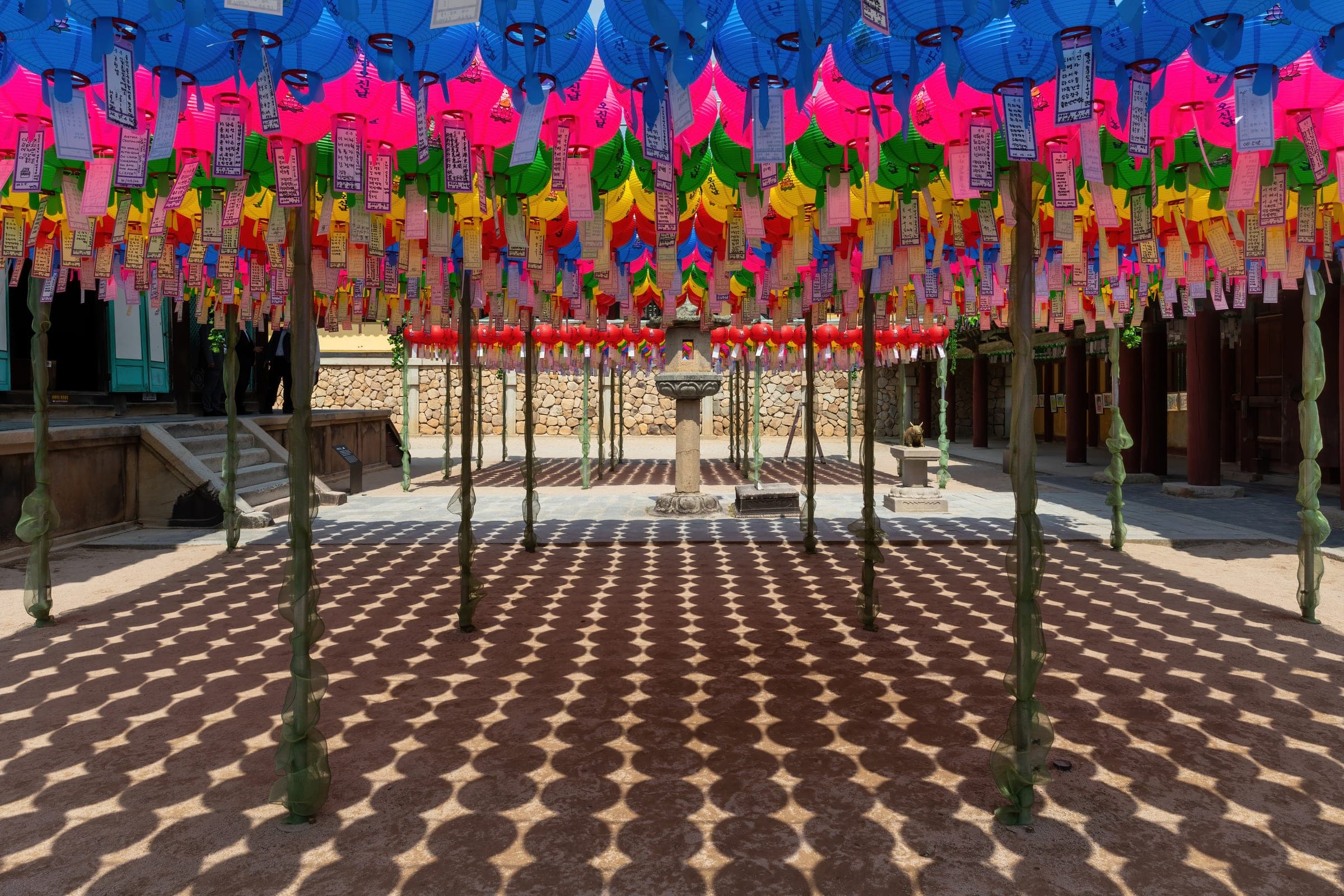
What paperwork do you actually need?
Most visitors get this backwards, because the headline and the requirement point in opposite directions. Nationals of eligible visa-free countries are exempt from the K-ETA until 31 December 2026. That sounds like no paperwork. It is the opposite: not holding a K-ETA is precisely what puts the e-Arrival Card on your list.
South Korea scrapped its paper arrival card on 1 January 2026 and replaced it with a digital one. Any foreign traveller who is not going through the K-ETA process has to file the free e-Arrival Card in the three days before arrival, which makes it a task for the week of the flight rather than the airport. Holding a valid K-ETA exempts you from it, and that exemption is the main reason anyone would apply for a K-ETA voluntarily while it is waived.
Which one applies to you, and when it is due, is worked through in K-ETA or e-Arrival Card. So the practical decision is which piece of admin you would rather do. Apply for the K-ETA and the arrival card disappears. Skip the K-ETA, as most visitors now do, and file the e-Arrival Card in the three days before you fly. What you cannot do is skip both. Check the official K-ETA site for the current country list before you book, because the exemption carries an explicit end date and has been extended a year at a time rather than made permanent.
How far apart is everything?
Closer than the map suggests. Seoul to Busan, effectively the length of the country, takes about 2 hours 15 minutes on the fastest KTX services. Gyeongju sits on the same line. Jeju is a short flight from either end.
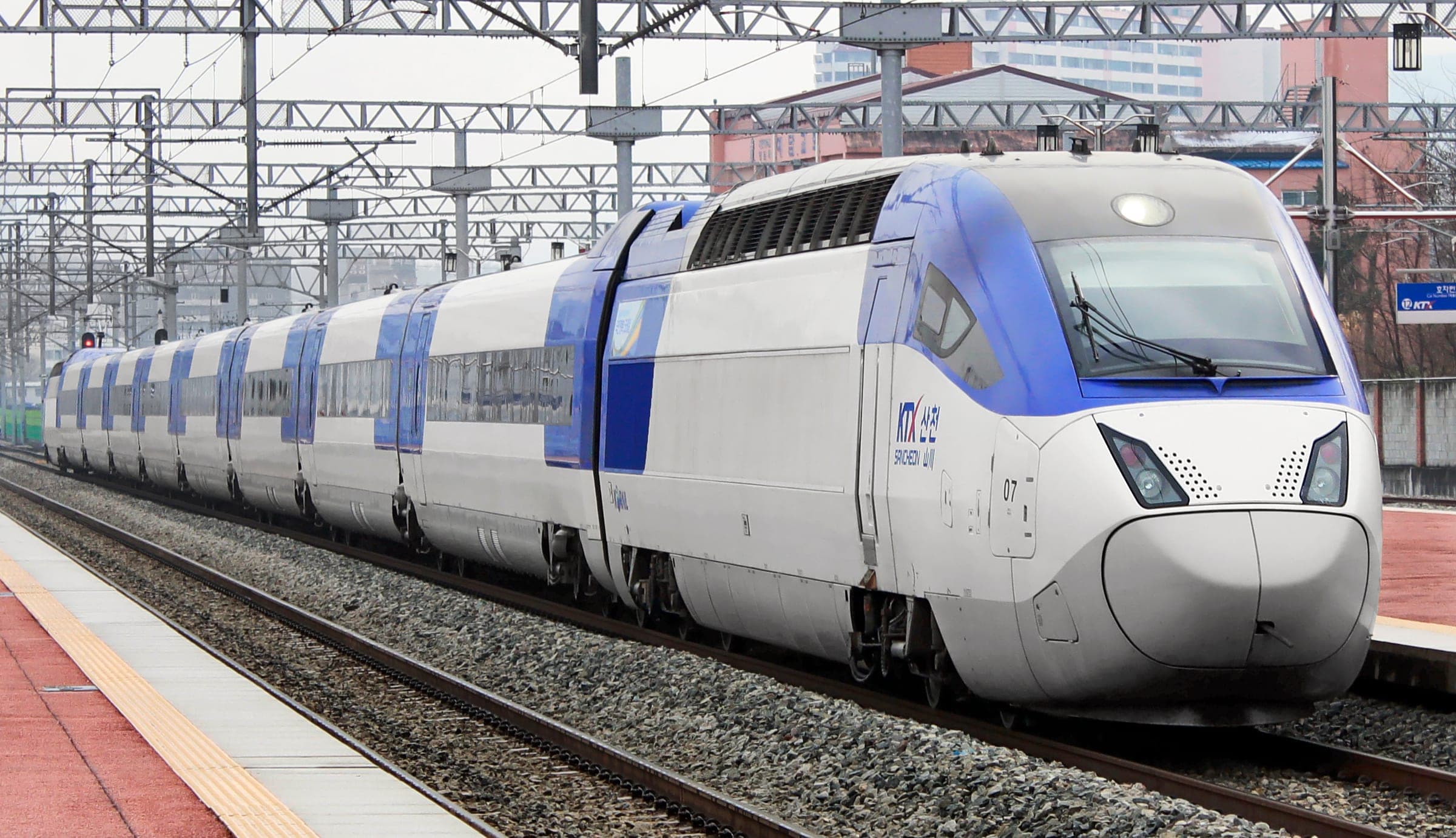
This is the single fact that shapes a Korean itinerary. In most countries, adding a second city to a one-week trip means losing a day to travel. Here it costs a morning. The constraint on a first trip is not distance but appetite: how much you want to move at all, given that Seoul alone can absorb five days without repeating itself.
Which cities suit which trip?
Seoul is the default first base and deserves five days: the palace district, a market, a modern neighbourhood and a half-day trip out. Nothing else in the country carries the same density of things to do.
Busan is the coastal counterweight, built along beaches and hillsides, and reads as a different country to Seoul despite the two-hour train. Gyeongju was the Silla capital for nearly a thousand years and is the closest Korea comes to an open-air museum, which is exactly why day-trippers underrate it. Jeju is volcanic, green and slower, and the one destination that argues for a flight rather than a train.

Our pick for a first trip is Seoul plus one. Three cities in ten days is possible and usually regretted.
What does it cost to move around?
City transport is cheap and the card is national. A Seoul subway ride starts at 1,550 won on a transit card, raised from 1,400 won on 28 June 2025. Busan runs its own network and its own fares, but the same transit card works on both, and on the buses in each.
The point worth carrying is that the systems are separate while the card is not. You do not need a new card per city, and you should not assume a fare quoted for Seoul applies elsewhere. The transit card is also one of the few things in Korea still loaded with cash, which is covered with cards, taxis and tax refunds in how to pay in Korea.
Where to start
Seoul is where most first trips begin, and the paperwork is settled in K-ETA or e-Arrival Card. Busan, Gyeongju and Jeju each have their own guide.
Every price, rule and journey time here carries a source and the date we last checked it. Our approach to sourcing and recommendations is set out in how we choose.
City guides
Seoul Travel Guide
Seoul rewards planning around two things: which neighbourhood you sleep in, and the subway. Nationals of visa-free countries can enter without a K-ETA until 31 December 2026, and a subway ride starts at 1,550 won on a transit card.
Busan Travel Guide
Busan runs its own subway and its own fares, 1,600 won for one section and 1,800 for two, but not its own card: the T-money you bought in Seoul works here. From Gimhae Airport, the light rail plus one transfer is the cheapest way into town.
Jeju Travel Guide
Jeju is the one Korean destination the KTX cannot reach, so you fly. Once there, the question that shapes everything is whether you drive: the island is a ring, and the sights are spread around its edge rather than gathered in a centre.
Gyeongju Travel Guide
Gyeongju was the Silla capital for nearly a thousand years and the city is the museum. One practical warning first: the KTX station stopped being called Singyeongju on 28 December 2023, and a lot of guides still say otherwise.
Planning a Trip to Korea
How to Pay in Korea: Cards, Cash and Transit
Foreign cards work in most Korean shops. They fail at market stalls, on Korean websites and at the subway gate, and each of those gaps has its own workaround.
Updated Sep 13, 2026
K-ETA or e-Arrival Card: Which One Do You Actually Need?
Most visitors to South Korea are exempt from the K-ETA, and that exemption is exactly what makes the e-Arrival Card mandatory for them instead.
Updated Sep 12, 2026
Frequently asked questions
Do I need a K-ETA to visit South Korea?
Nationals of eligible visa-free countries are exempt from the K-ETA until 31 December 2026. Being exempt does not mean no paperwork: travellers who do not hold a K-ETA must file the free e-Arrival Card instead, in the three days before they arrive.
What is the e-Arrival Card and who has to file it?
The e-Arrival Card replaced South Korea's paper arrival card on 1 January 2026. Any foreign traveller not going through the K-ETA process must submit it in the three days before arrival. Holding a valid K-ETA exempts you from it, which is the main reason to apply for one voluntarily during the exemption. A Korean residence card exempts you as well.
How long does it take to get between Korean cities?
Seoul to Busan takes about 2 hours 15 minutes on the fastest KTX services, across the length of the country. That is why a first trip can realistically include a second city without feeling rushed.
Which cities should a first trip include?
Seoul for five days covers the capital properly. Adding one of Busan for the coast, Gyeongju for Silla-era history or Jeju for volcanic landscape makes a comfortable eight to ten day trip.
Sources
- e-Arrival Card: Individuals Subject to Declaration (Korea Immigration Service), checked Sep 12, 2026
- K-ETA Exemption Period Extended Until 2026 (Korea Tourism Organization), checked Sep 12, 2026
- South Korea - Extension of Temporary K-ETA Exemption for Eligible Nationals (KPMG Global Mobility Services), checked Sep 12, 2026
- Subway base fares in Seoul, nearby areas rise by 150 won (The Korea Herald), checked Sep 12, 2026
Image credits
- Bulguksa temple, Gyeongju: Basile Morin (CC BY-SA 4.0)
- The KTX links Seoul to Busan in about two and a quarter hours: Minseong Kim (CC BY-SA 4.0)
- Seongsan Ilchulbong on Jeju: Basile Morin (CC BY-SA 4.0)