Gyeongju Travel Guide
Updated · By AsiaPicks Editorial Team
Short answer
Gyeongju was the Silla capital for nearly a thousand years and the city is the museum. One practical warning first: the KTX station stopped being called Singyeongju on 28 December 2023, and a lot of guides still say otherwise.
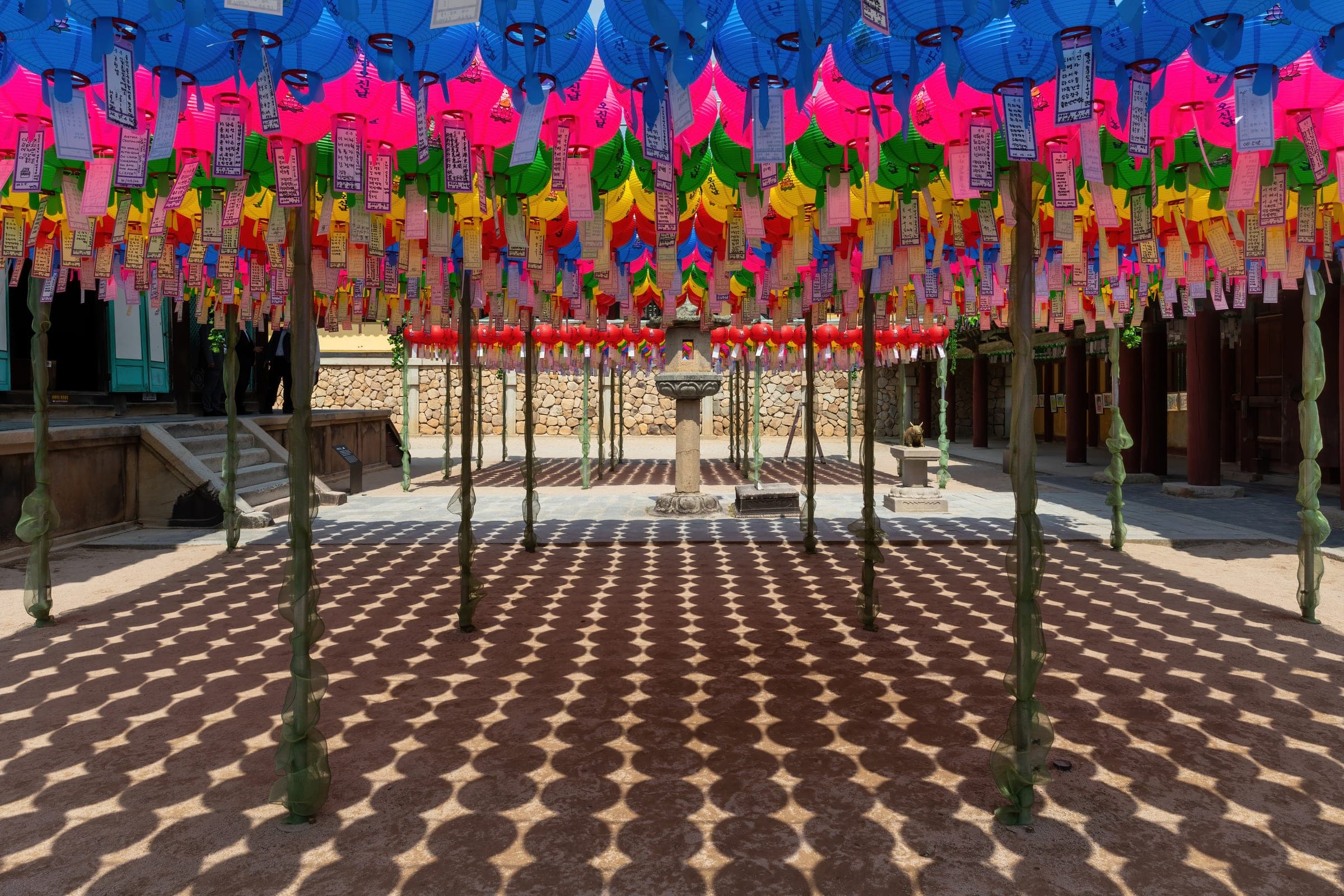
Which station, and what is it called now?
Gyeongju Station. If that sounds obvious, it is not: the KTX station was called Singyeongju, meaning new Gyeongju, from its opening in 2010 until 28 December 2023, when Korail completed the rename following Ministry of Land, Infrastructure and Transport notice 2023-45.
Plenty of guides, forum answers and older booking pages still tell you to get off at Singyeongju. They are describing the same platform. The confusion is worse than it sounds, because the city also had a separate older Gyeongju station on the conventional line, so a visitor reading two sources can reasonably conclude there are two places to choose between.
The station also sits outside the centre, so arriving is not the same as being there. Plan the local bus or taxi leg rather than assuming you step off the train into the old city.
What did a thousand years leave behind?
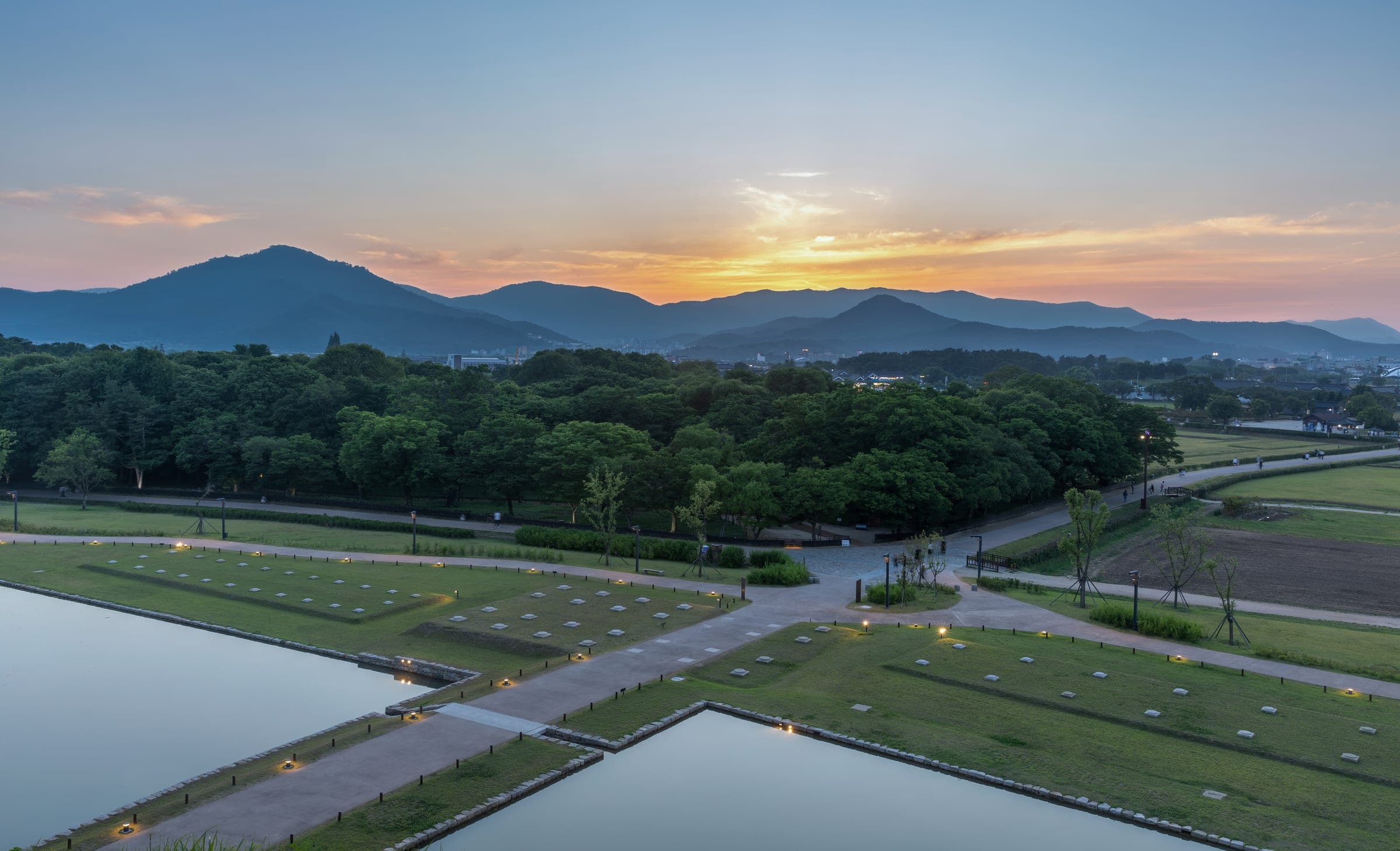
Gyeongju was the capital of the Silla kingdom for nearly a millennium, and what makes it unusual is the distribution. The remains are not fenced into one archaeological park; they sit among streets, schools and shops. Burial mounds the size of small hills rise out of ordinary blocks.
UNESCO inscribed Seokguram Grotto and Bulguksa Temple in 1995, and the Gyeongju Historic Areas in 2000, which is a rare density of listing for one city.
Is a day trip enough?
A day trip is how most people see Gyeongju, and it covers Bulguksa plus one or two central sites. That is not nothing. It is also roughly the fraction of the city that fits between two train rides, which is a different claim from having seen the place.
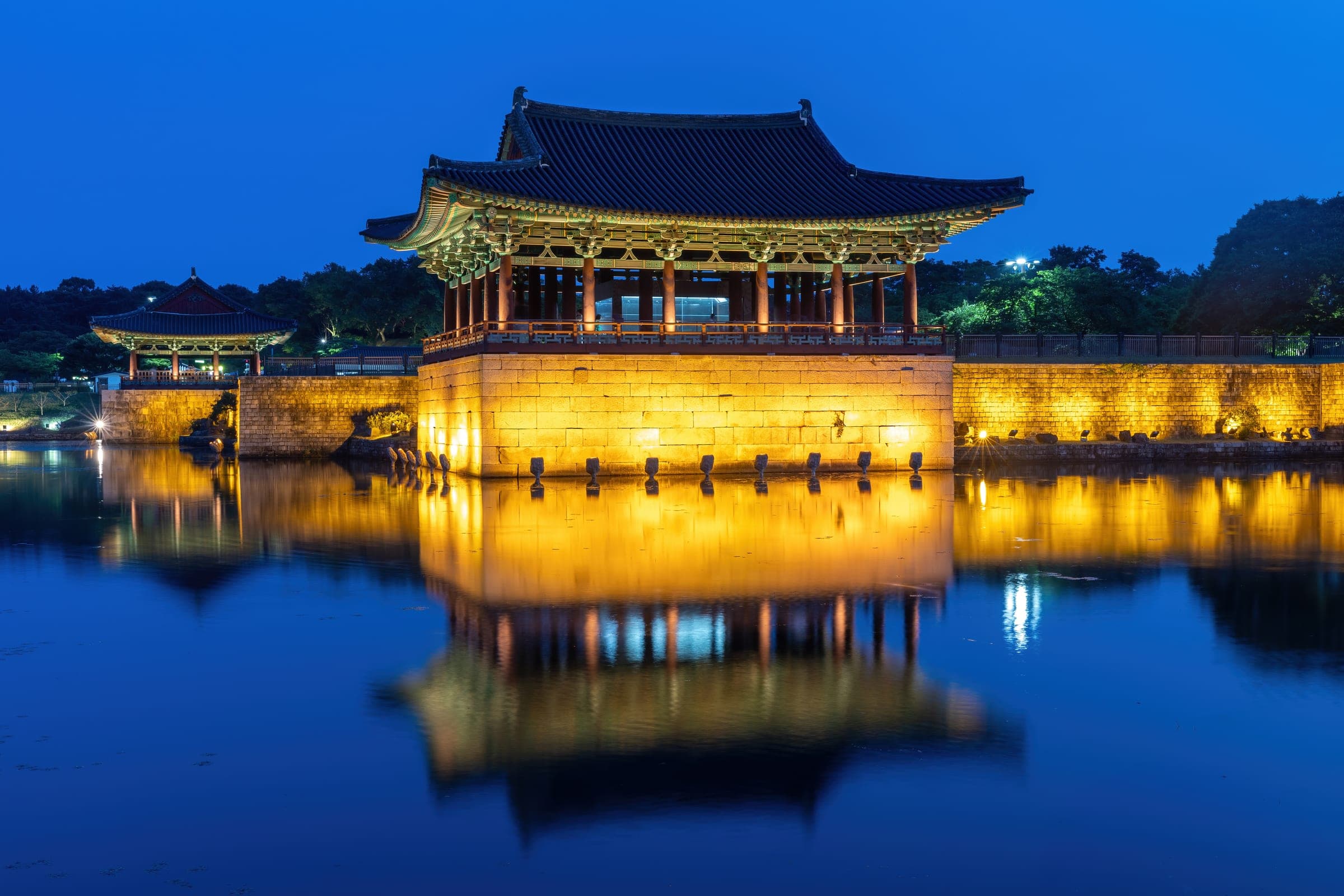
The argument for a night is the distribution problem above. Gyeongju's sights are scattered, several are best at either end of the day, and a day trip spends its daylight on the two that are easiest to reach. Our pick is one night, arriving in the afternoon, which buys the evening at Donggung and Wolji and a full morning for Bulguksa before the coaches.
It also pairs naturally with Busan, an hour further down the same line.
Where to go next
Start with the South Korea travel guide for entry rules and rail between cities, or Busan, the usual other half of a trip down this line. Detailed Gyeongju guides follow as they publish.
Every fact here carries a source and the date we last checked it. Our approach is set out in how we choose.
Frequently asked questions
Which station do you use for Gyeongju on the KTX?
Gyeongju Station. It was called Singyeongju from opening until 28 December 2023, when Korail completed the rename following Ministry of Land, Infrastructure and Transport notice 2023-45. Guides and older booking pages still say Singyeongju, and it is the same station.
What is Gyeongju known for?
It was the capital of the Silla kingdom for nearly a thousand years, and the remains are spread through the modern city rather than gathered in one site. Bulguksa Temple and Seokguram Grotto were inscribed by UNESCO in 1995 and the Gyeongju Historic Areas in 2000.
Can you do Gyeongju as a day trip from Seoul?
You can, and it is the most common way people see it. A day trip covers Bulguksa and one or two central sites, which is roughly the fraction of the city that fits between two train rides.
How do you get around Gyeongju?
There is no subway. The KTX station sits outside the centre, so arrivals continue by local bus or taxi, and the sights themselves are spread widely enough that buses, a bike or a taxi decide how much you see in a day.
Sources
- Gyeongju station (Wikipedia, citing MOLIT notice 2023-45), checked Sep 12, 2026
Image credits
- Bulguksa temple, Gyeongju: Basile Morin (CC BY-SA 4.0)
- Silla royal tombs in the Gyeongju Historic Areas: Basile Morin (CC BY-SA 4.0)
- Donggung Palace and Wolji Pond: Basile Morin (CC BY-SA 4.0)