Ticket · Creatrip
LG U+ eSIM with a Korean 010 number
LG U+ eSIM with unlimited data and no speed cap, from 1 to 90 days. The Korean number works after a passport check at the airport counter.
Check availability on CreatripChoose your cities, work out the costs and check what you need before you fly. Practical guides with sources and clear next steps.
How long do you need?
5 days
Covers Seoul properly. Eight to ten adds Busan or Jeju.
Which month?
October
Seoul highs average 20.2°C (68°F), with less rain than summer.
Paperwork before you fly?
One free form
Most visitors skip the K-ETA, which is what makes the e-Arrival Card theirs to file.
What is a subway ride?
KRW 1,550
Seoul, on a transit card. Busan runs KRW 1,600 to 1,800.
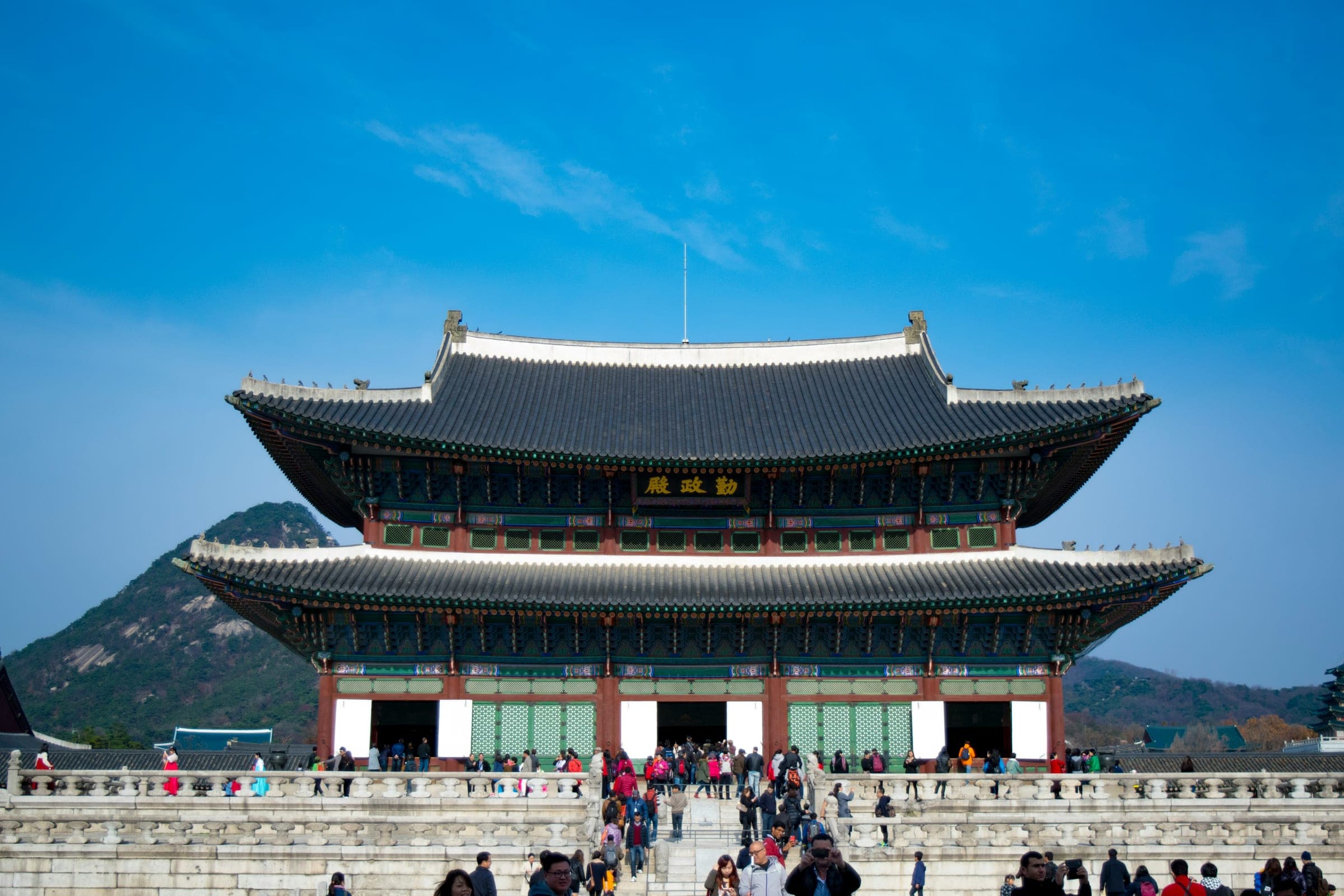
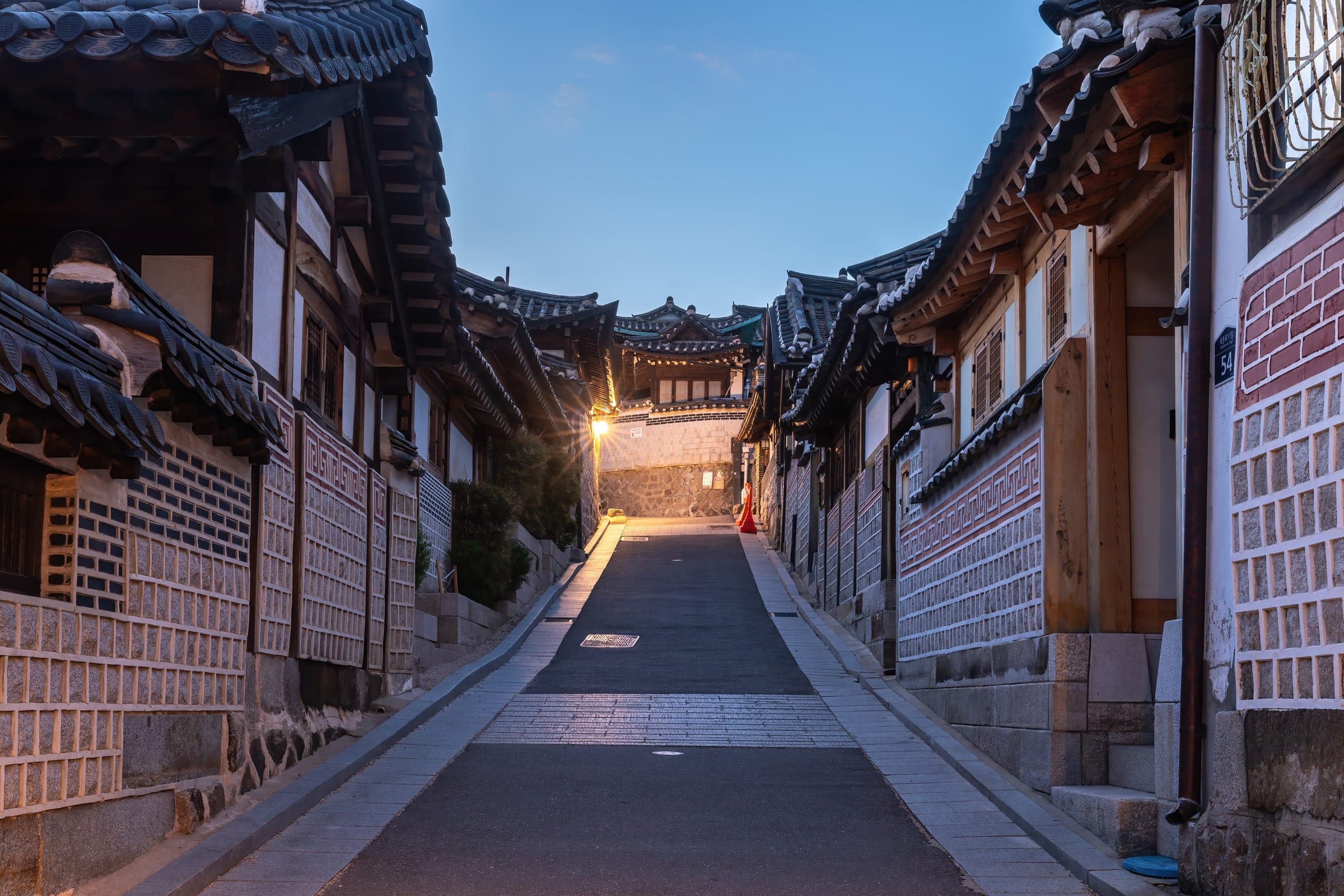
Seoul Travel Guide
Seoul rewards planning around two things: which neighbourhood you sleep in, and the subway. Nationals of visa-free countries can enter without a K-ETA until 31 December 2026, and a subway ride starts at 1,550 won on a transit card.
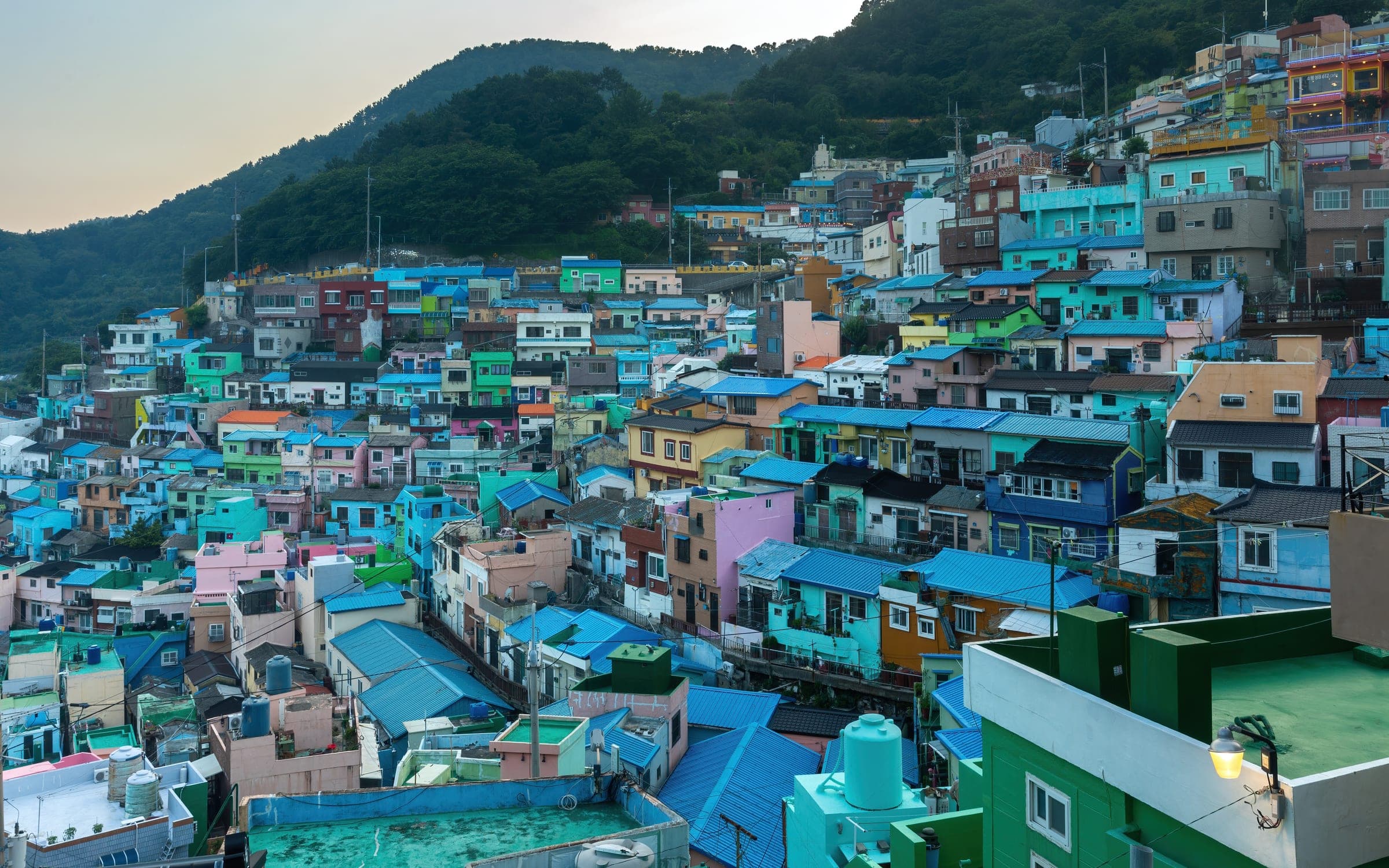
Busan Travel Guide
Busan runs its own subway and its own fares, 1,600 won for one section and 1,800 for two, but not its own card: the T-money you bought in Seoul works here. From Gimhae Airport, the light rail plus one transfer is the cheapest way into town.
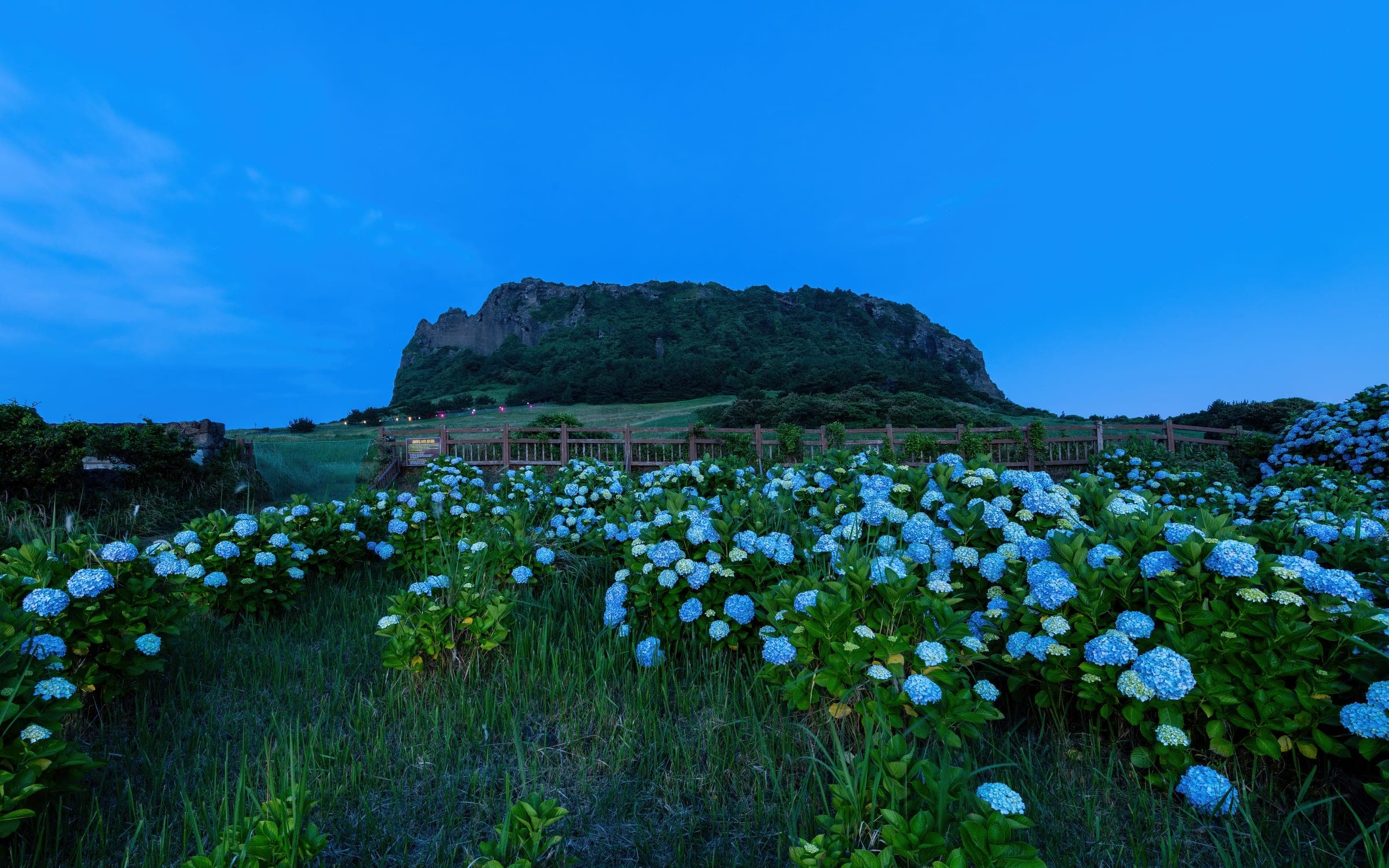
Jeju Travel Guide
Jeju is the one Korean destination the KTX cannot reach, so you fly. Once there, the question that shapes everything is whether you drive: the island is a ring, and the sights are spread around its edge rather than gathered in a centre.
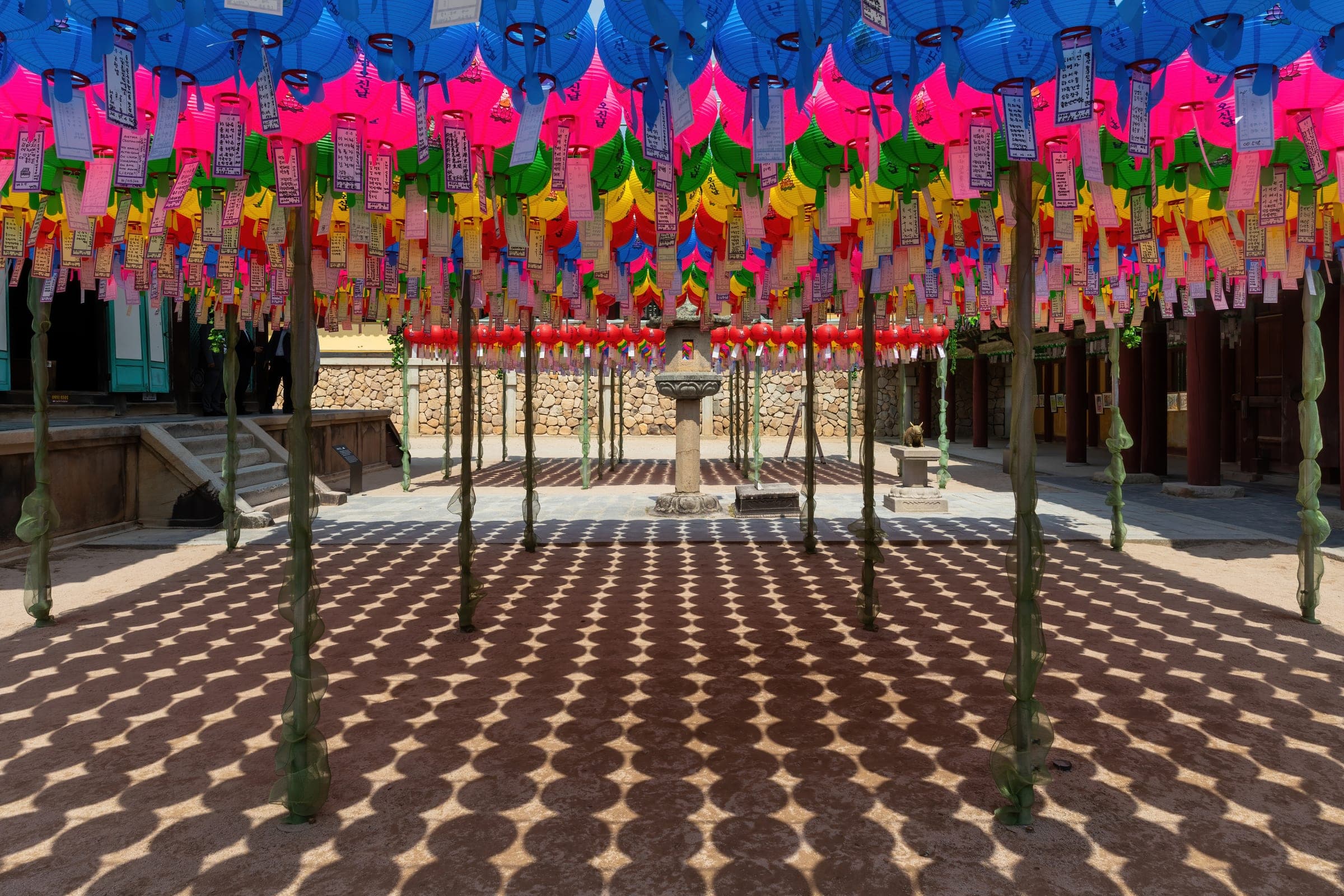
Gyeongju Travel Guide
Gyeongju was the Silla capital for nearly a thousand years and the city is the museum. One practical warning first: the KTX station stopped being called Singyeongju on 28 December 2023, and a lot of guides still say otherwise.
Data on landing, a bed near the subway and the train south. Each is compared in its guide before you book.
We may earn a commission if you book through links on this page, at no extra cost to you. How we make money
Ticket · Creatrip
LG U+ eSIM with unlimited data and no speed cap, from 1 to 90 days. The Korean number works after a passport check at the airport counter.
Check availability on CreatripHotel · Trip.com
Trip.com's Seoul listings, filterable by neighbourhood, for comparing what each area costs on your dates.
Check availability on Trip.comTrain · Trip.com
Trip.com's Korail booking in English, with e-tickets for KTX routes such as Seoul to Busan.
Check availability on Trip.comOur pick for a first trip is five days in Seoul, or eight to ten days to include Busan or Jeju. With two weeks, add Gyeongju and a slower pace. Start with the South Korea travel guide to choose your route.
Our pick is October. Seoul's average low and high are 10.6–20.2°C (51–68°F), with about 52mm of rain compared with 414mm in July. April is another mild option. These are 1991–2020 climate averages, not a forecast; use the Seoul guide to plan your stay.
Most visitors need one form rather than two. Nationals of eligible visa-free countries and regions are exempt from the K-ETA until 31 December 2026, and not holding a K-ETA is exactly what makes the free e-Arrival Card mandatory, submitted in the three days before you arrive. Holding a K-ETA exempts you from the card, and so does a Korean residence card. The official e-Arrival Card guide lists who must declare, the official K-ETA site holds the country list, and K-ETA or e-Arrival Card works through which applies to you.
A Seoul subway ride starts at KRW 1,550 (Korean won) on a transit card. Busan's subway costs KRW 1,600 or 1,800 depending on the section. A T-money card works in both cities. Read the Seoul fare and transfer guide for the details.
Explore Busan, Jeju or Gyeongju, or read how we choose recommendations. Sources and the dates we checked them are listed below.
A closer look at the details that shape your trip.
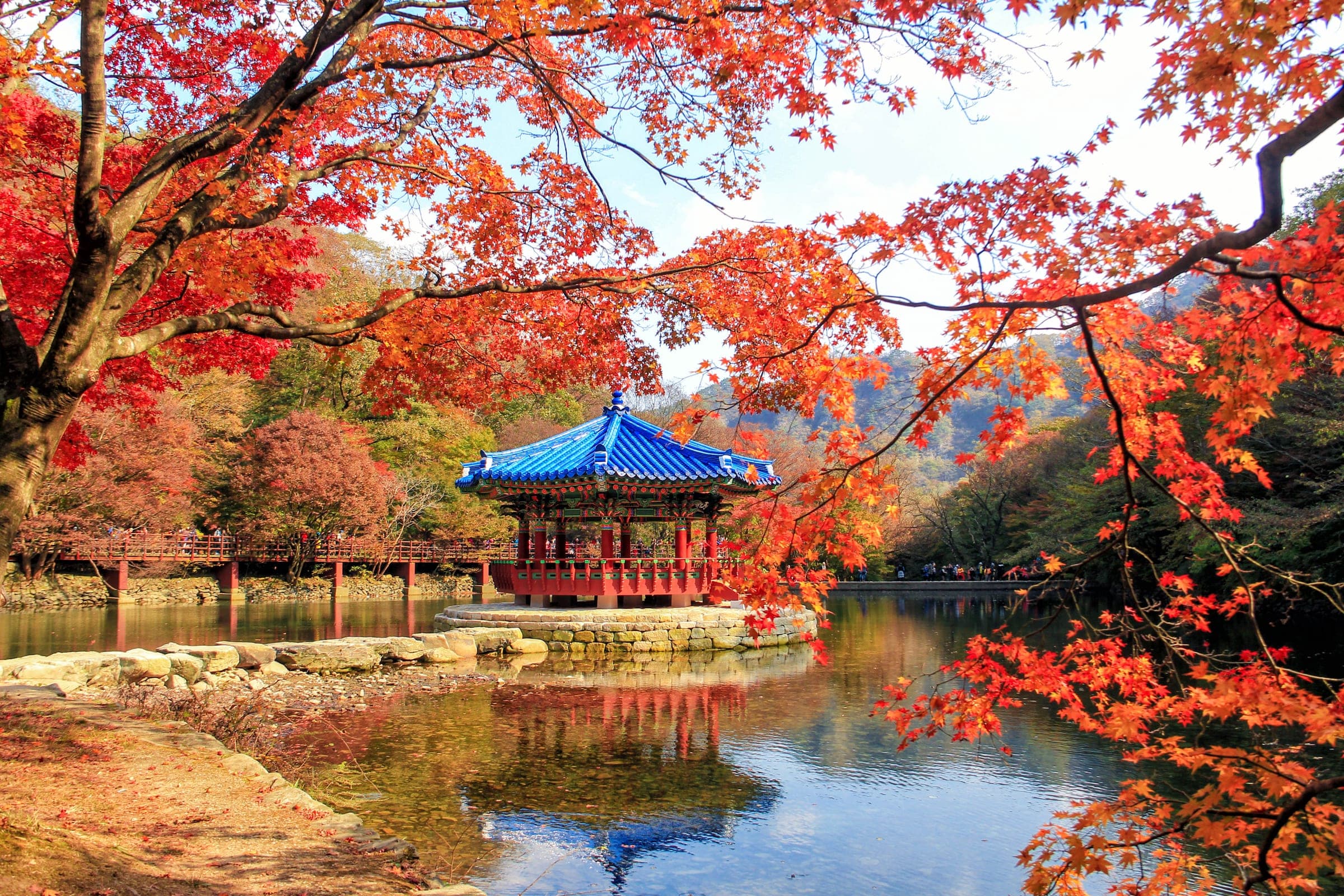
Autumn Leaves in Korea 2026: Peak Dates and Where to Go
The 2026 foliage forecast runs late: Seoraksan peaks around 25 October, Seoul's Bukhansan around 4 November and Jeju's Hallasan around 13 November.
Updated Oct 8, 2026
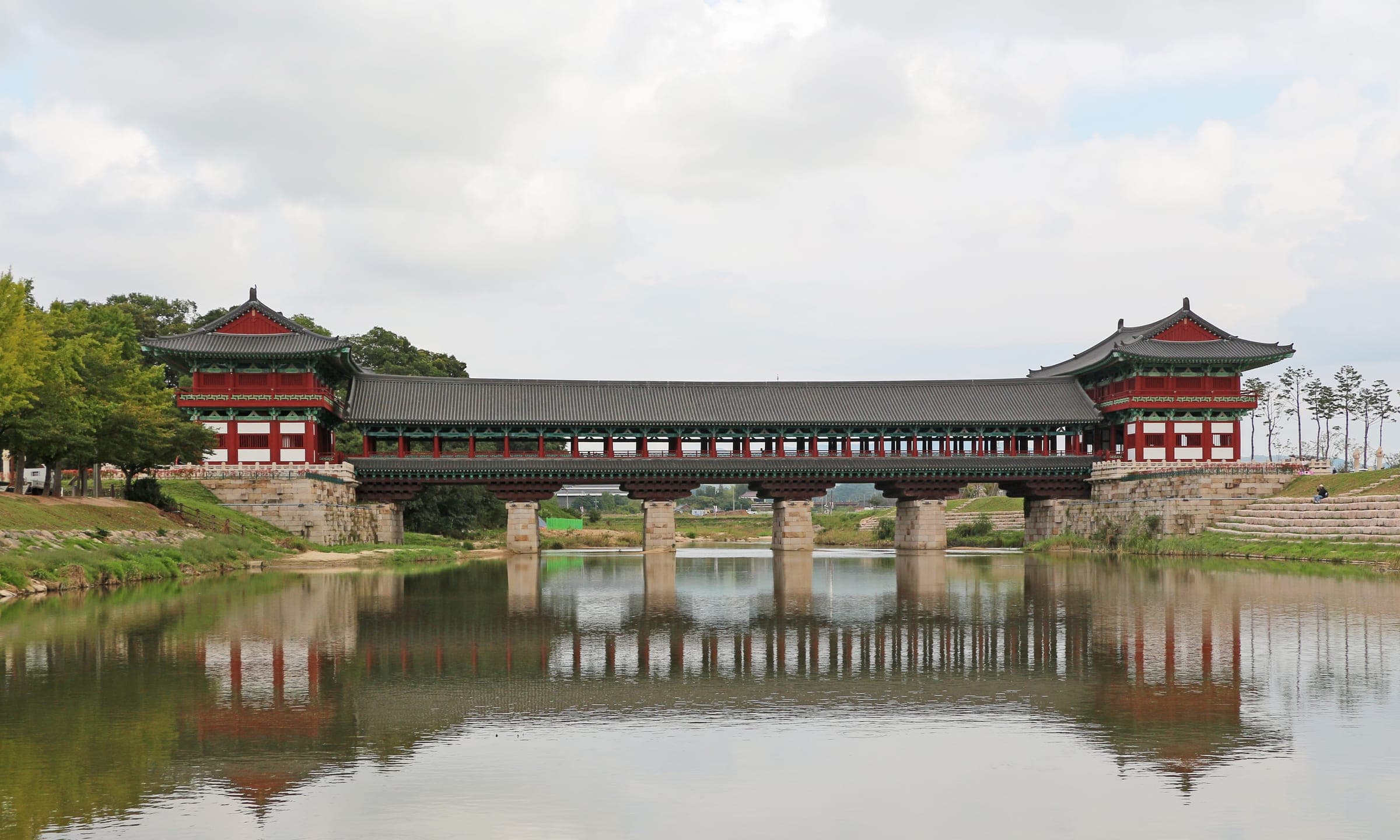
Korea in 7 Days: Seoul, Gyeongju and Busan by KTX
A first week in South Korea: four days in Seoul, a night in Gyeongju and a last day on the Busan coast, linked by the KTX, with opening hours and fares checked.
Updated Oct 8, 2026
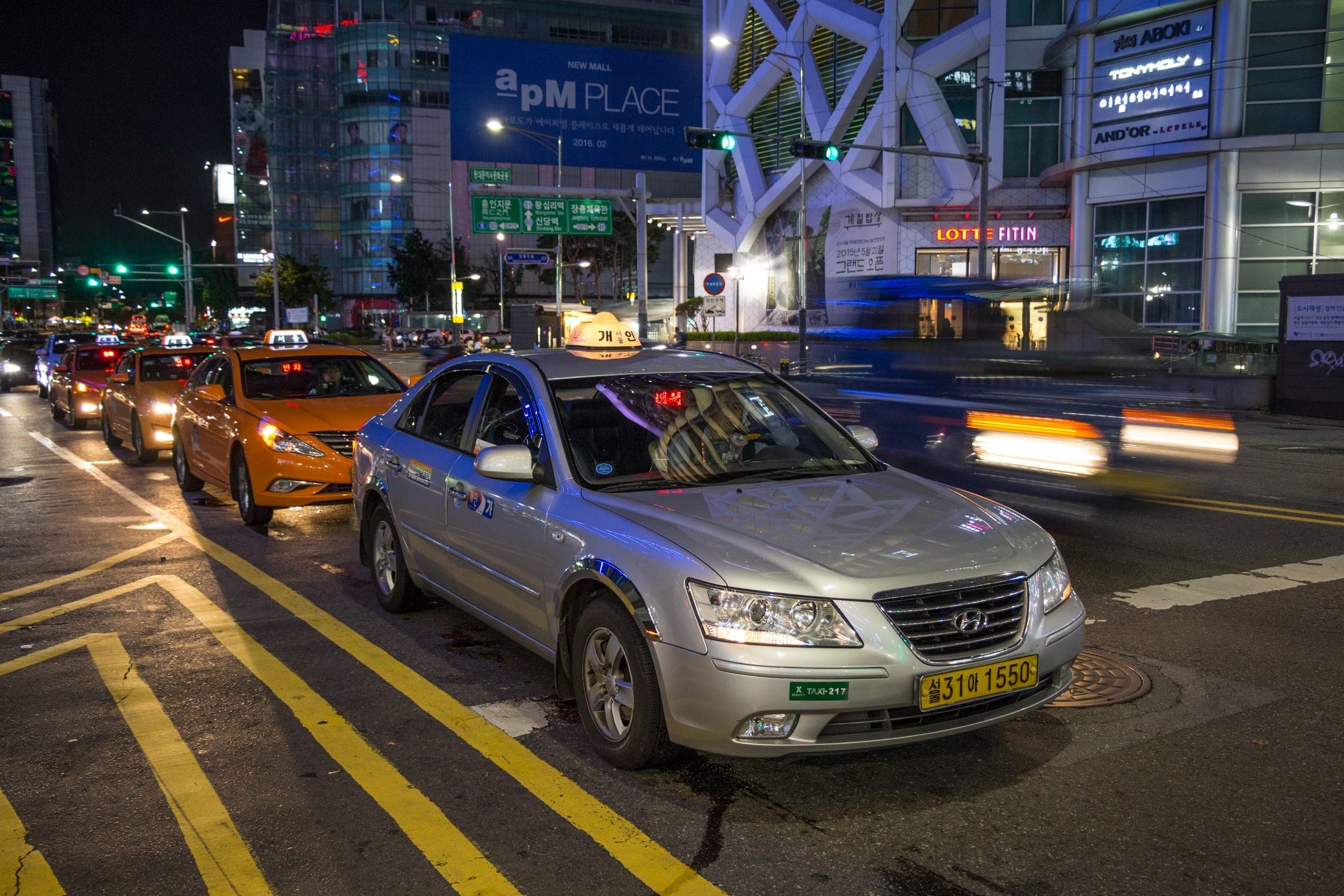
Naver Map and Kakao T for Tourists: What to Install Before Korea
Google Maps still has no walking or driving directions in Korea. What to install instead, in order, and what each app needs from a foreign phone and card.
Updated Sep 18, 2026
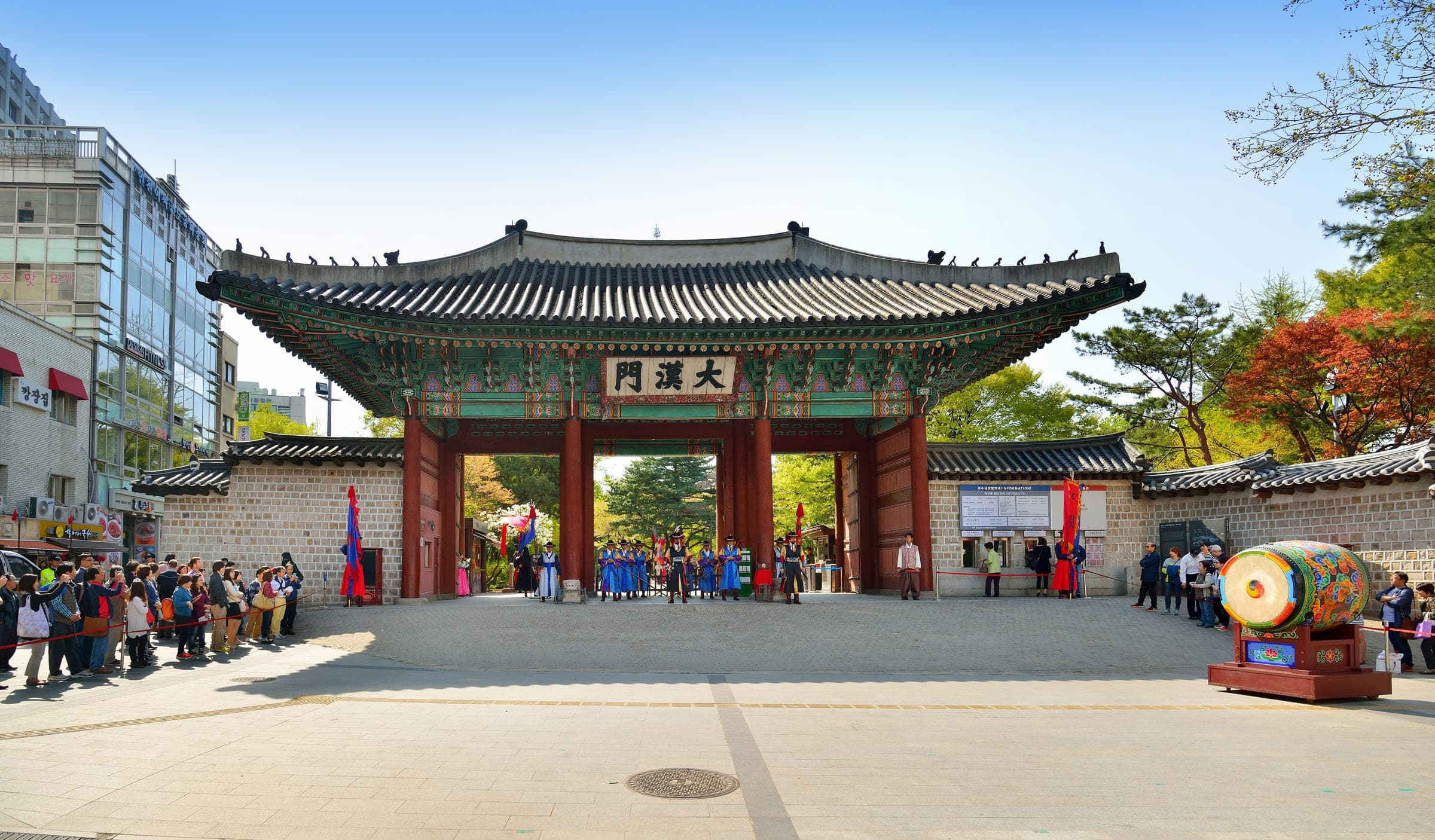
Chuseok 2026 in Korea: Dates, Closures and Trains for Travellers
Chuseok 2026 is Friday 25 September, with holidays from 24 to 26 September and no substitute day. What that week means for palaces, museums and KTX tickets.
Updated Sep 14, 2026
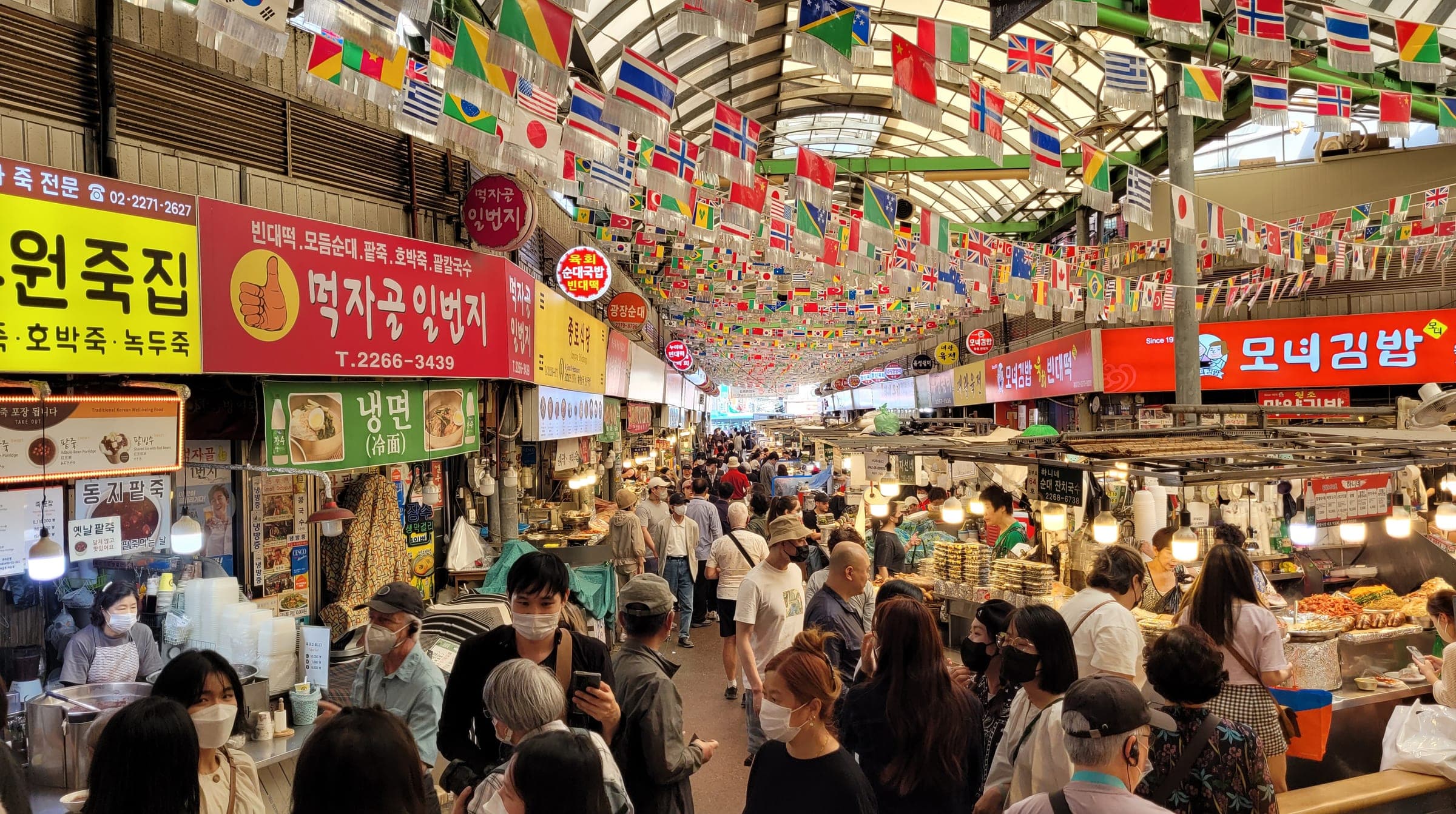
How to Pay in Korea: Cards, Cash and Transit
Foreign cards work in most Korean shops. They fail at market stalls, on Korean websites and at the subway gate, and each of those gaps has its own workaround.
Updated Sep 13, 2026
Nationals of eligible visa-free countries and regions are exempt from the K-ETA until 31 December 2026, and that exemption is what makes the free e-Arrival Card their paperwork instead. The card is submitted in the three days before you arrive, not after you land. Holding a K-ETA exempts you from it, and so does a Korean residence card. Travellers from countries that are not visa-free still need a visa.
Five days covers Seoul properly. Eight to ten days adds Busan or Jeju without rushing, using the KTX between cities. Two weeks lets you add Gyeongju and travel at a slower pace.
October is the most reliable month in Seoul: an average low of 10.6°C and high of 20.2°C with about 52mm of rain, against 414mm in July. April is the other mild window. Figures are the Korea Meteorological Administration's 1991 to 2020 climate normals.
A Seoul subway ride starts at 1,550 won with a transit card, raised from 1,400 won on 28 June 2025. Busan runs a separate system at 1,600 won for one section and 1,800 won for two. A single transit card works in both cities.