Seoul Travel Guide
Updated · By AsiaPicks Editorial Team
Short answer
Seoul rewards planning around two things: which neighbourhood you sleep in, and the subway. Nationals of visa-free countries can enter without a K-ETA until 31 December 2026, and a subway ride starts at 1,550 won on a transit card.
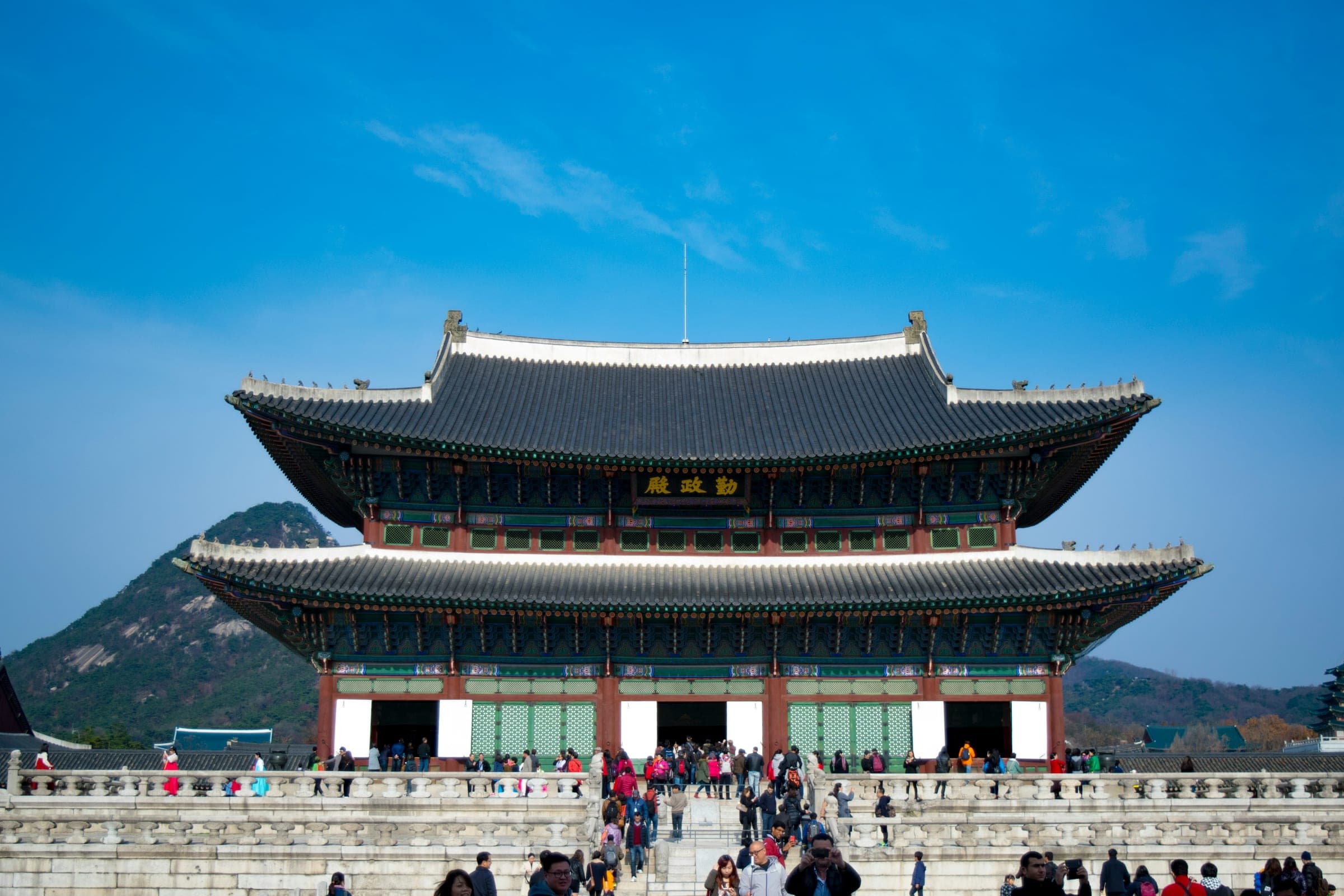
Where to start if this is your first trip
Two decisions shape a Seoul trip more than any other: which neighbourhood you sleep in, and whether you are comfortable on the subway. Seoul is large and its attractions are scattered, so a well-placed base saves more time than any itinerary trick, which is why where to stay in Seoul is worth settling before anything else.
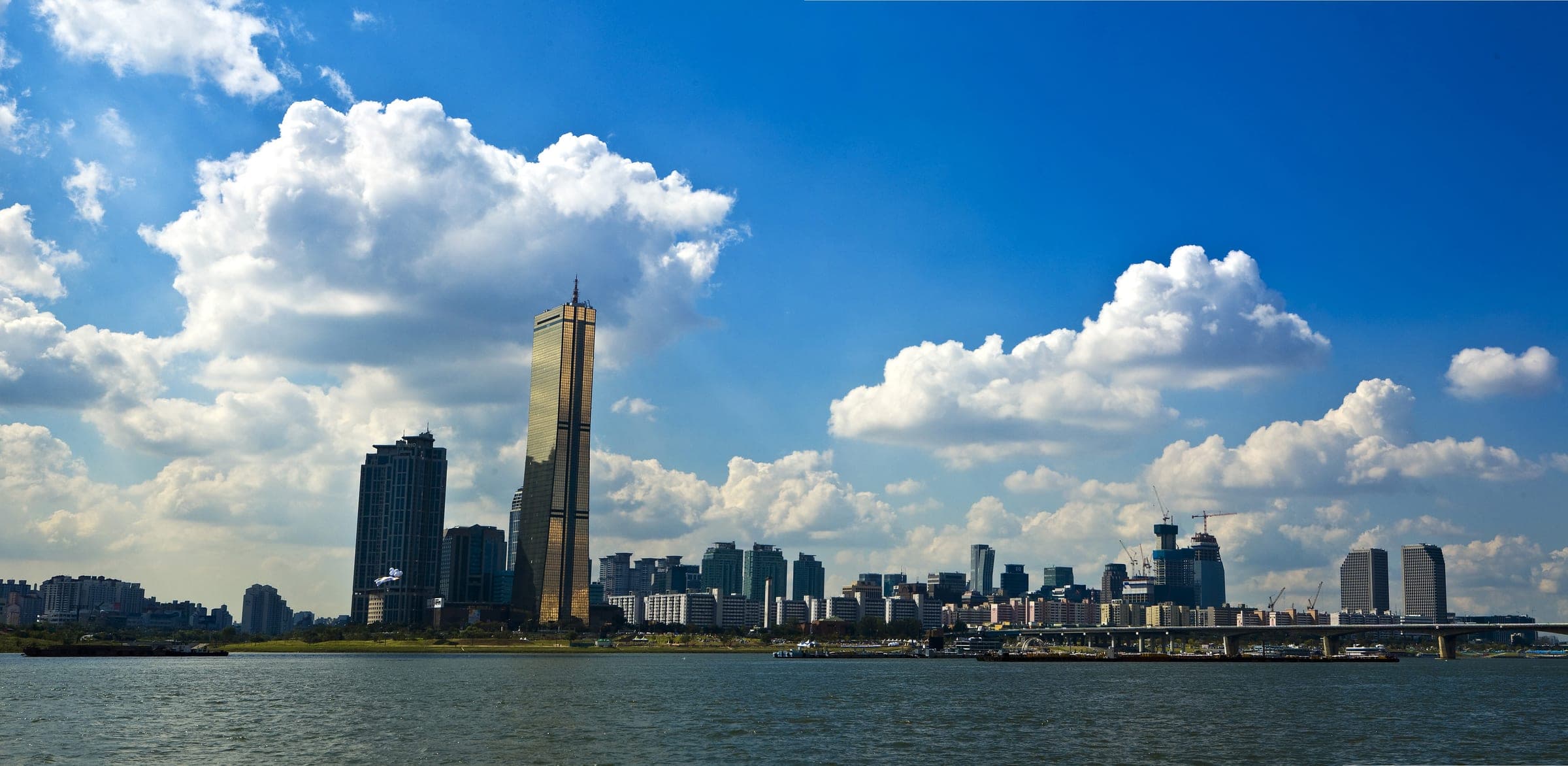
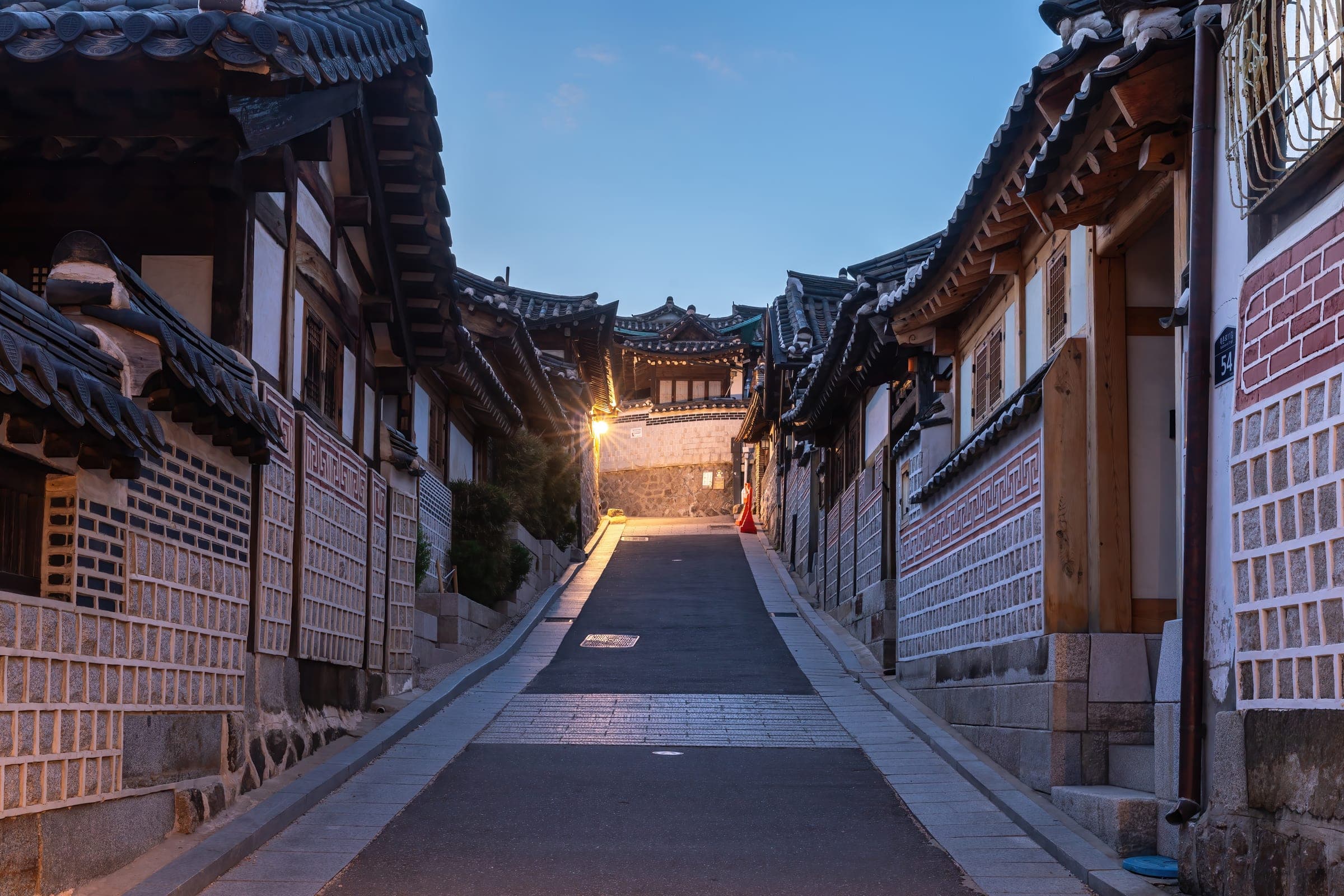
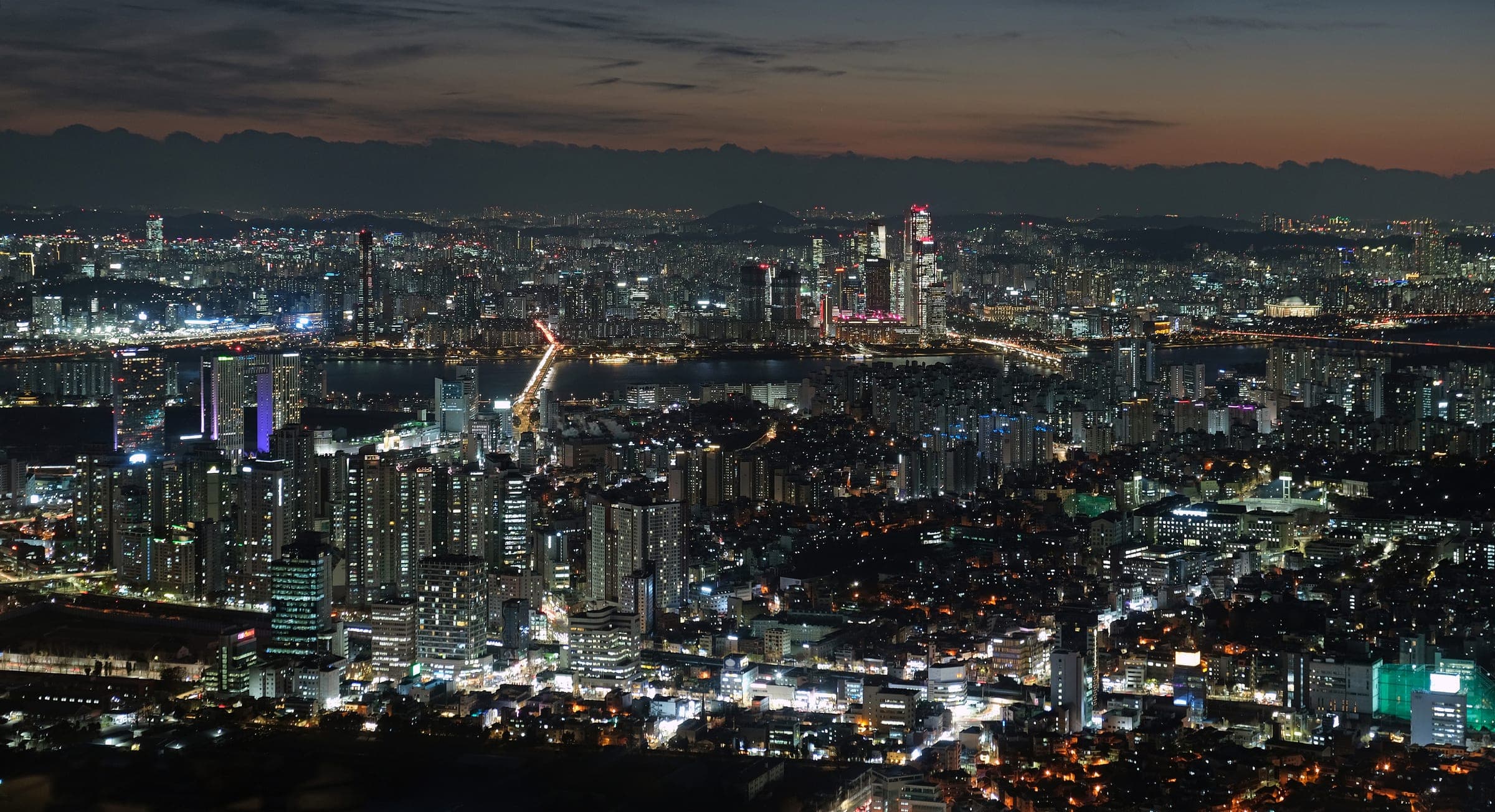
The city sits on both banks of the Han River. North of the river holds the five Joseon palaces, the old hanok quarters and the student and nightlife districts around Hongdae. South of the river is Gangnam, which is newer, wider and built around business and shopping rather than historic sights. Most first-time visitors spend the majority of their time north of the river.
Do you need a visa or a K-ETA?
Nationals of visa-free countries and regions can enter South Korea without a K-ETA until 31 December 2026. The Ministry of Justice extended this temporary exemption to support the tourism industry, and the Korea Tourism Organization published the extension in December 2025. Travellers from countries that are not on the visa-free list still need a visa, and the exemption does not change that.
Being exempt is not the same as having nothing to file. South Korea scrapped its paper arrival card on 1 January 2026, and any traveller not going through the K-ETA process must submit the free e-Arrival Card in the three days before arrival. Holding a K-ETA exempts you from that card, which is the one practical reason to apply voluntarily while the requirement is waived. Check the official K-ETA site for the current country list before booking, because the exemption has an explicit end date and has been extended year by year rather than made permanent.
How much does getting around cost?
A Seoul subway ride starts at 1,550 won with a transit card, or 1,650 won paying cash for a single-journey ticket. The base fare rose from 1,400 won on 28 June 2025 and applies across Seoul, Incheon and Gyeonggi Province, so the same fare structure covers most of the capital region. Longer journeys add to the base fare by distance.
One caution on that number. Seoul's official English tourism site still lists the pre-increase fare of 1,400 won, and several widely-read guides repeat it. A page quoting 1,400 won is out of date rather than describing a cheaper ticket, so budget on 1,550 won. We took the current figure from the Korea Herald's report on the day the increase took effect, listed in the sources below.
A transit card is worth buying on arrival rather than paying cash each trip. The card is cheaper per ride, it carries the transfer window that decides what a day actually costs, and the same card works in Busan and the rest of the country. Seoul subway fares and transfers works through both.
When to go
Autumn is the most reliable stretch of weather, and the numbers are lopsided enough to plan around. October in Seoul averages a low of 9.9°C and a high of 20.1°C with roughly 50mm of rain across the whole month. July averages 415mm, the wettest month of the year by a wide margin. Those are 1991 to 2020 climate normals, so they describe the pattern rather than any single year.
Spring is the other mild window: April averages 7.4°C to 17.8°C with about 75mm of rain, and brings cherry blossom and crowds to match. Summer is hot and humid, with the changma rains concentrated from late June through July. Winter is cold and dry, averaging 15mm of precipitation in January, and it buys low-season room rates and the shortest queues at the palaces.
Our pick is late September through early November. No season is unworkable, because the subway and the covered markets make bad weather manageable, but October is the month where the weather stops being a variable.
How this guide is organised
This hub links to the individual Seoul guides as they publish, grouped by what you are trying to decide: getting around, where to stay, what to do, where to eat, day trips such as the DMZ, and ready-made itineraries. For the wider country, including inter-city trains and trips beyond the capital, start at the Korea travel guide, and settle the entry paperwork with K-ETA or e-Arrival Card.
Every price, rule and opening time in these guides carries a source and the date we last checked it. Our approach to sourcing and recommendations is set out in how we choose.
Day Trips from Seoul
Seoul Transportation Guides
Where to Stay in Seoul
Frequently asked questions
Do I need a K-ETA to visit Seoul?
Nationals of visa-free countries and regions can enter South Korea without a K-ETA until 31 December 2026, under a temporary exemption the Ministry of Justice extended to support tourism. Travellers from countries that are not visa-free still need a visa. Being exempt is not the same as having no paperwork: travellers without a K-ETA must file the free e-Arrival Card instead, in the three days before they arrive. The paper arrival card was scrapped on 1 January 2026.
How much does the Seoul subway cost?
The base fare across Seoul, Incheon and Gyeonggi Province is 1,550 won with a transit card and 1,650 won in cash, raised from 1,400 won on 28 June 2025. Longer rides add to the base fare by distance.
What is the best month to visit Seoul?
October is the most reliable month: Seoul averages a low of 9.9°C and a high of 20.1°C with roughly 50mm of rain, against 415mm in July, the wettest month. April is the other mild window at 7.4°C to 17.8°C and about 75mm of rain, with cherry blossom and heavier crowds. Figures are 1991 to 2020 climate normals.
How many days do you need in Seoul?
Three full days covers the palace district, one market, one modern neighbourhood and a half-day trip. Five days adds a DMZ tour or an overnight elsewhere in the country without rushing the city itself.
Sources
- e-Arrival Card: Individuals Subject to Declaration (Korea Immigration Service), checked Sep 12, 2026
- K-ETA Exemption Period Extended Until 2026 (Korea Tourism Organization), checked Sep 12, 2026
- South Korea - Extension of Temporary K-ETA Exemption for Eligible Nationals (KPMG Global Mobility Services), checked Sep 12, 2026
- Subway base fares in Seoul, nearby areas rise by 150 won (The Korea Herald), checked Sep 12, 2026
- Seoul climate: monthly averages, 1991-2020 normals (Climates to Travel), checked Sep 12, 2026
Image credits
- Geunjeongjeon, the throne hall at Gyeongbokgung: Brady Bellini (CC0)
- The Han River divides the city north from south: USAGI_POST (CC0)
- Bukchon-ro 11-gil in Bukchon Hanok Village: Basile Morin (CC BY-SA 4.0)
- N Seoul Tower on Namsan: kallerna (CC BY-SA 4.0)
- Dongdaemun, where the shopping runs past midnight: kallerna (CC BY-SA 4.0)