Busan Travel Guide
Updated · By AsiaPicks Editorial Team
We may earn a commission if you book through links on this page, at no extra cost to you. How we make money
Short answer
Busan runs its own subway and its own fares, 1,600 won for one section and 1,800 for two, but not its own card: the T-money you bought in Seoul works here. From Gimhae Airport, the light rail plus one transfer is the cheapest way into town.
Busan hotels · affiliate link
Check on Trip.com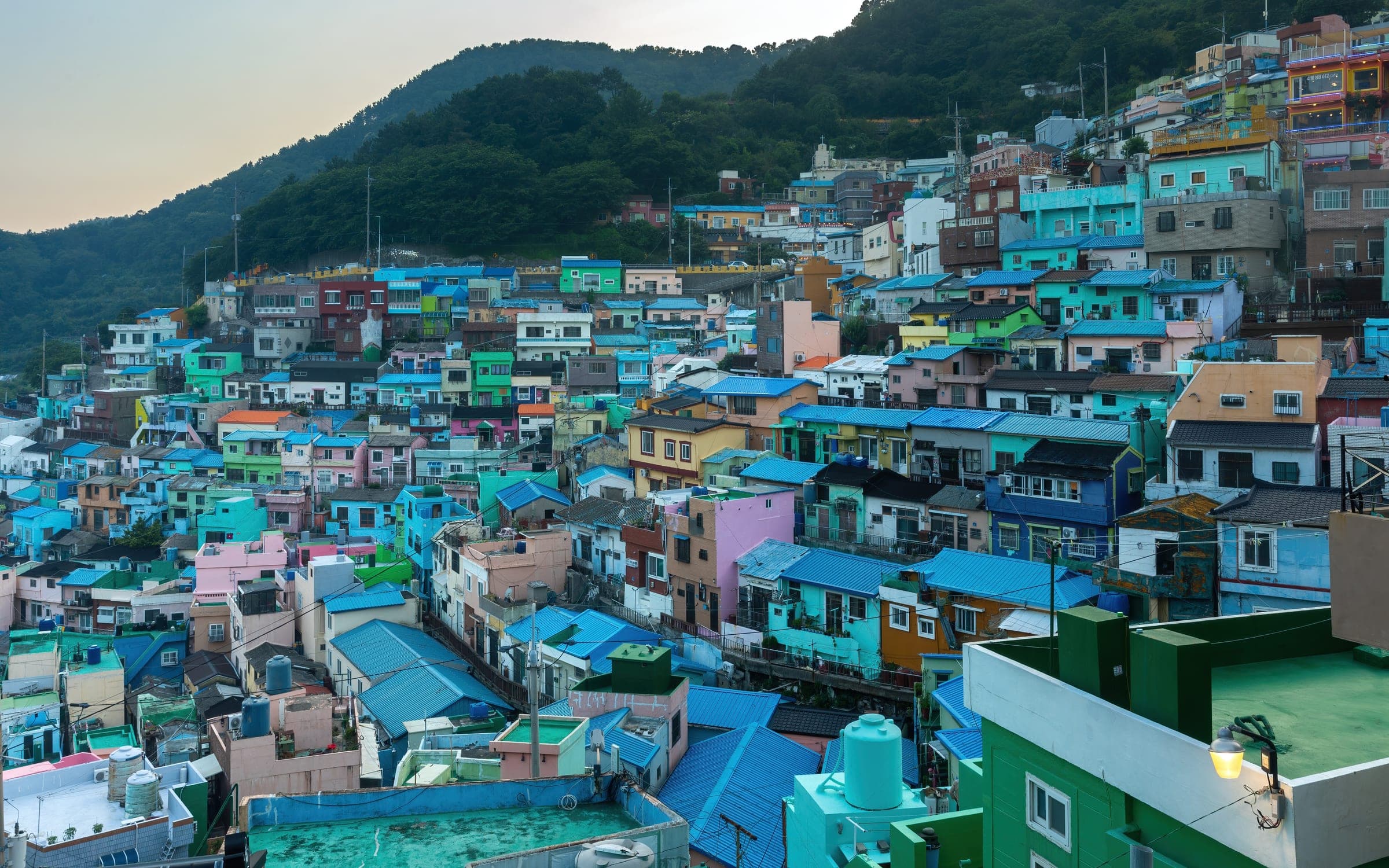
What does the subway cost, and does your Seoul card work?
1,600 won for one section and 1,800 won for two on a transit card, with QR tickets 100 won dearer in each case. A section is the first 10km of the journey; past that you are into two. Those fares come from Busan Transportation Corporation, the operator.
Your Seoul card works. Busan's own card is Hanaro, and a lot of guides stop there, which leaves visitors thinking they need a second card. Visit Busan lists T-money and Cashbee as accepted, transfer discounts included. So one card bought anywhere in the country covers the subway and buses in both cities.
Worth noticing what the operator does not publish. Its fare table gives the numbers but never explains what a section is, and the city tourism site gives neither. Busan is also not on Seoul's fare scale, so a guide quoting 1,550 won for Busan has copied a Seoul figure without checking.
How do you get in from Gimhae Airport?
Gimhae Airport is about an hour from downtown Busan. Visit Busan names the light rail as the best and cheapest way in, transferring to the subway at Sasang for Line 2 or at Daejeo for Line 3.
That hour is the reason many visitors arrive by train instead. Seoul to Busan on the fastest KTX services takes 2 hours 18 minutes, city centre to city centre, with no airport at either end. For anyone already in Seoul, the train usually wins on total door-to-door time.
What is Busan actually for?
Contrast. Busan is Korea's second city and its biggest port, built along beaches and up hillsides, and it reads as a different country to Seoul despite the two-hour train between them. Where Seoul is dense and inland, Busan is strung out along water.
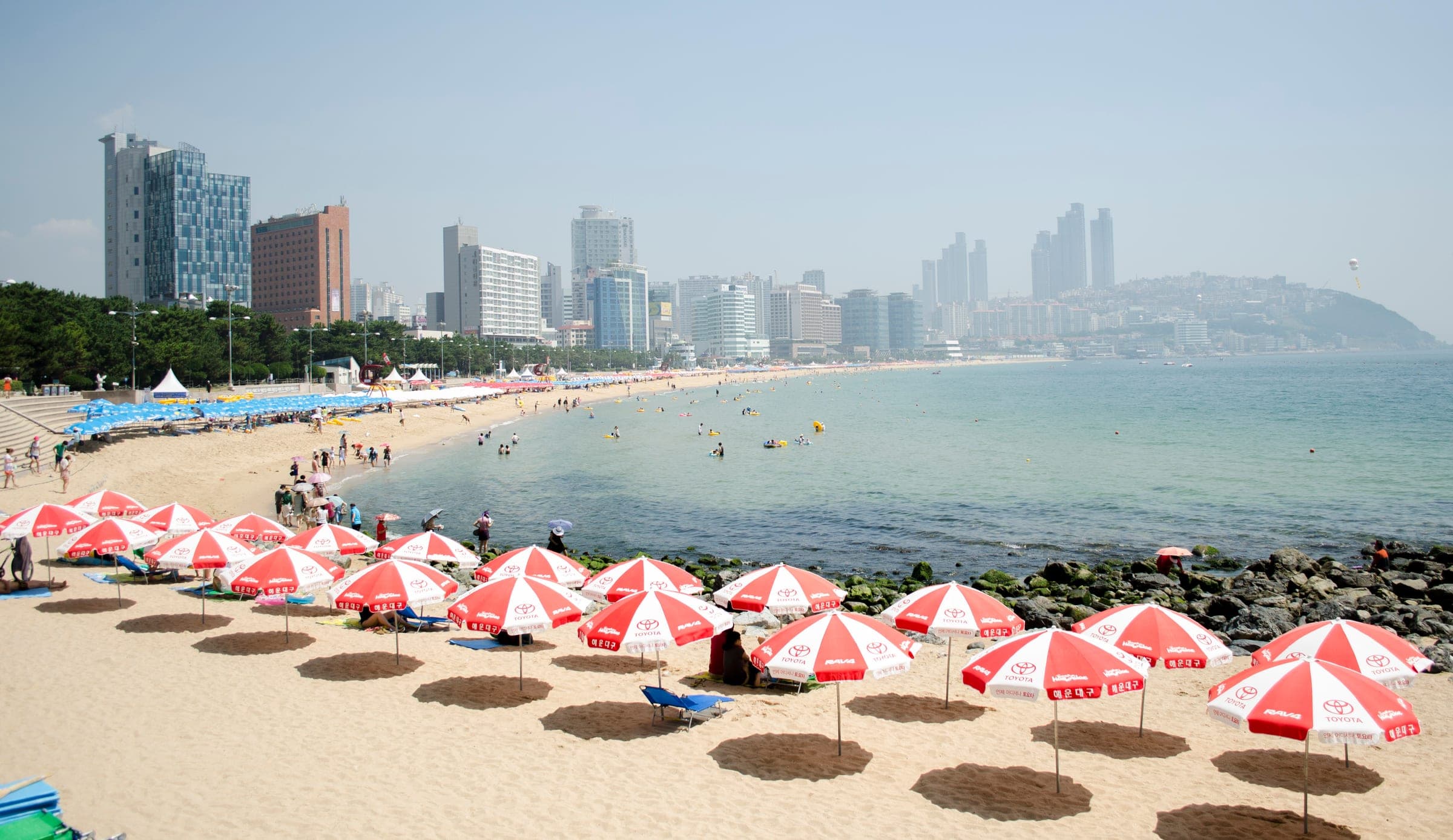
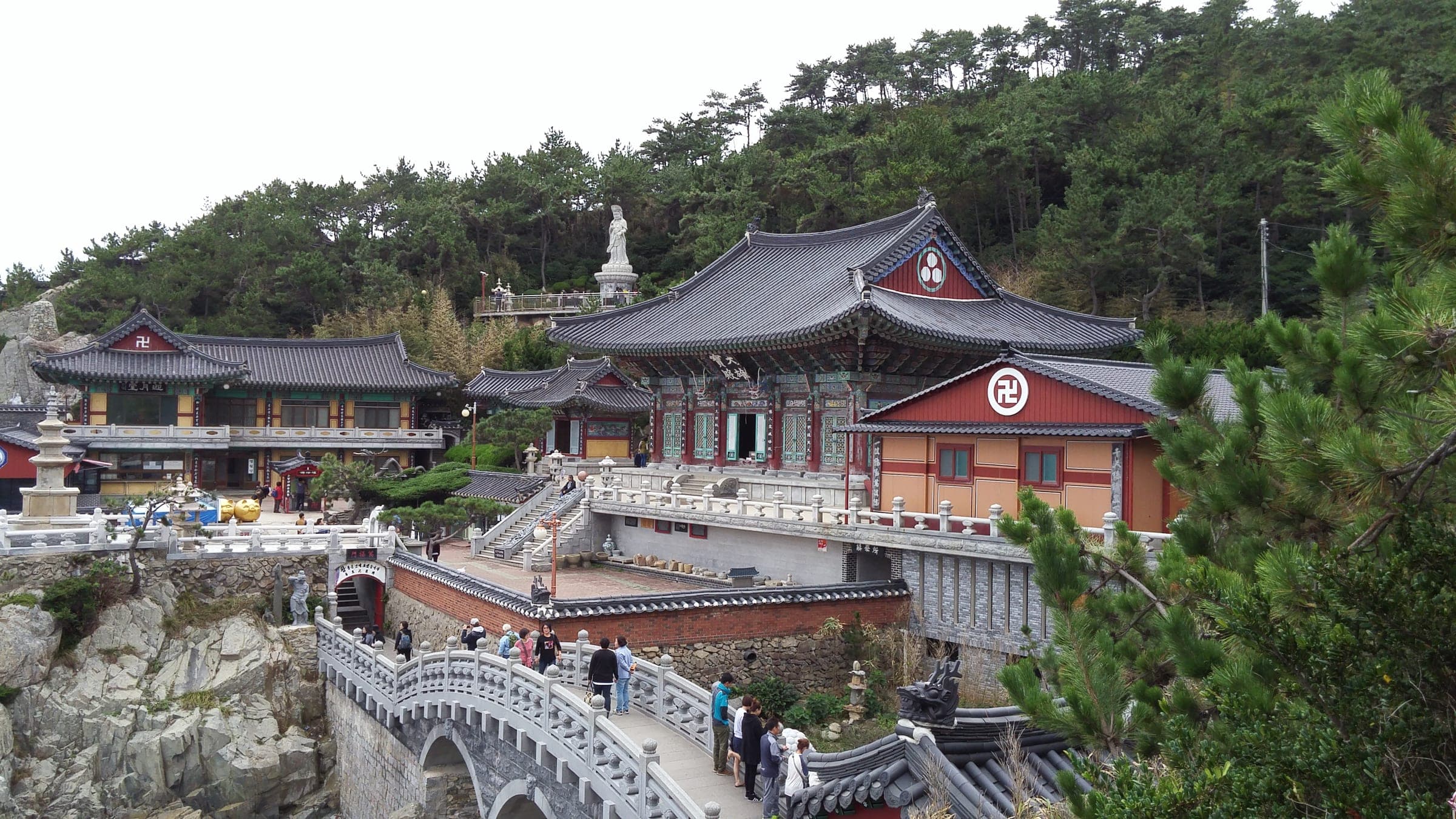
Haeundae is the beach the city is known for, backed by towers. Haedong Yonggungsa is a temple built onto coastal rock rather than up a mountain, which is unusual in Korea and the reason it is busy. Gamcheon Culture Village, the pastel hillside above the port, is the image most people have seen before they know its name.
Our pick, if Busan gets one full day: the coast in the morning and Gamcheon in the late afternoon, when the light is on the houses.
How long do you need?
Two nights is the honest minimum, which usually means arriving on an evening KTX and leaving on a late afternoon one two days later. Where to stay in Busan works through which end of the city to pick. A single day trip from Seoul is possible, given the train, but spends four and a half hours of it moving.
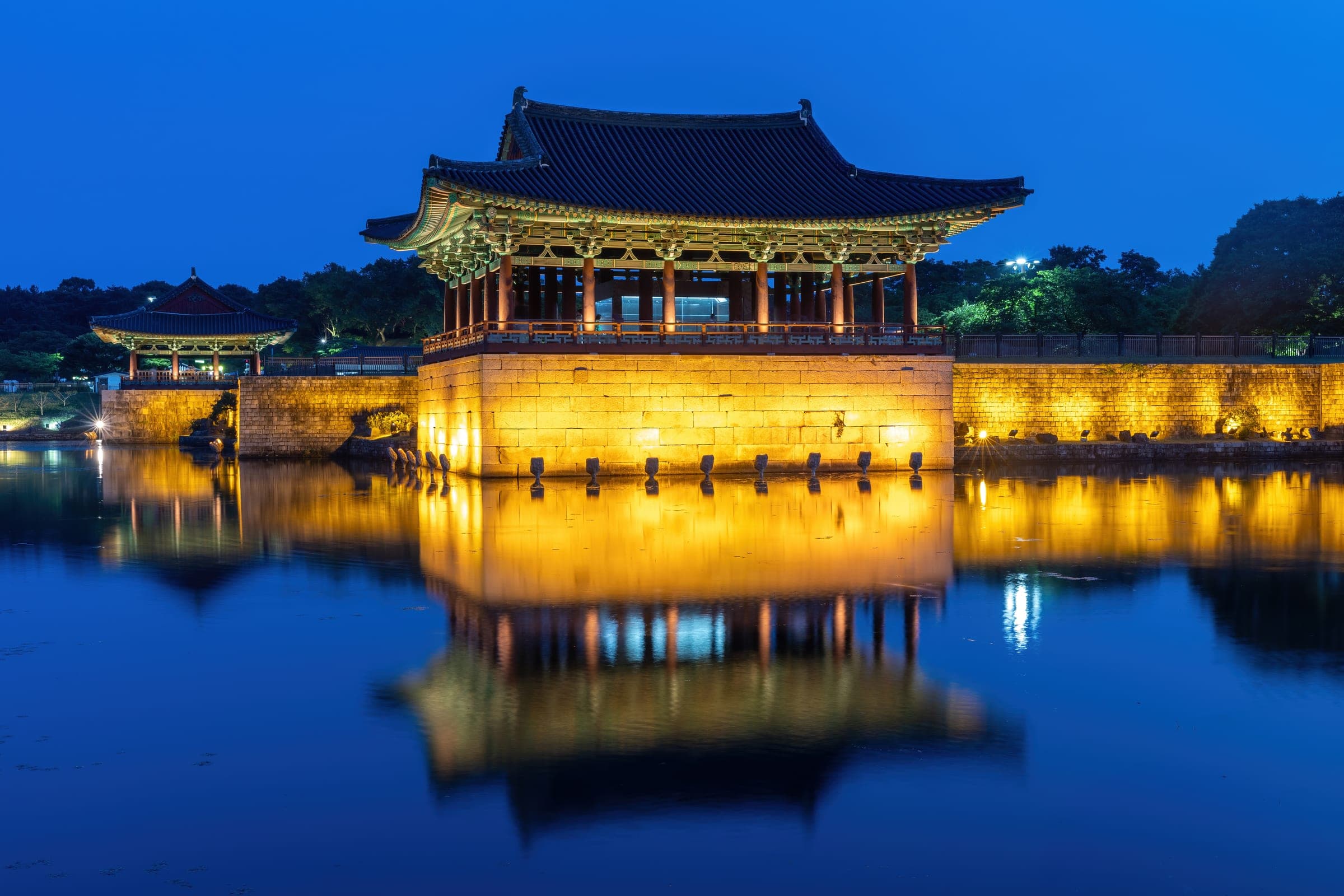
Three nights lets you add Gyeongju, an hour further up the same line, without a separate base.
Hotel · Trip.com
Busan hotels
Trip.com's Busan listings, filterable by area, for comparing the coast against the centre on your dates.
Check availability on Trip.comHotel · Agoda
Busan hotels
Agoda's Busan listings, filterable by area, for comparing Haeundae, Gwangalli and the centre on your dates.
Check availability on AgodaTrain · Trip.com
KTX tickets
Trip.com's Korail booking in English, with e-tickets for KTX routes such as Seoul to Busan.
Check availability on Trip.comWhere to go next
Start with the South Korea travel guide for entry rules and getting between cities, or Seoul if the capital comes first. Detailed Busan guides follow as they publish.
Every fare and journey time here carries a source and the date we last checked it. Our approach is set out in how we choose.
Neighbourhoods
Day Trips from Busan
Busan Itineraries
Things to Do in Busan
Gamcheon Culture Village: Getting There, Visiting Hours and Etiquette
Gamcheon Culture Village in Busan: the village bus from Toseong Station, the 9am to 6pm hours of the 2026 special zone, the car ban and a walking route.
Updated Oct 14, 2026
Busan Fireworks Festival 2026: Date, Paid Seats and Where to Watch
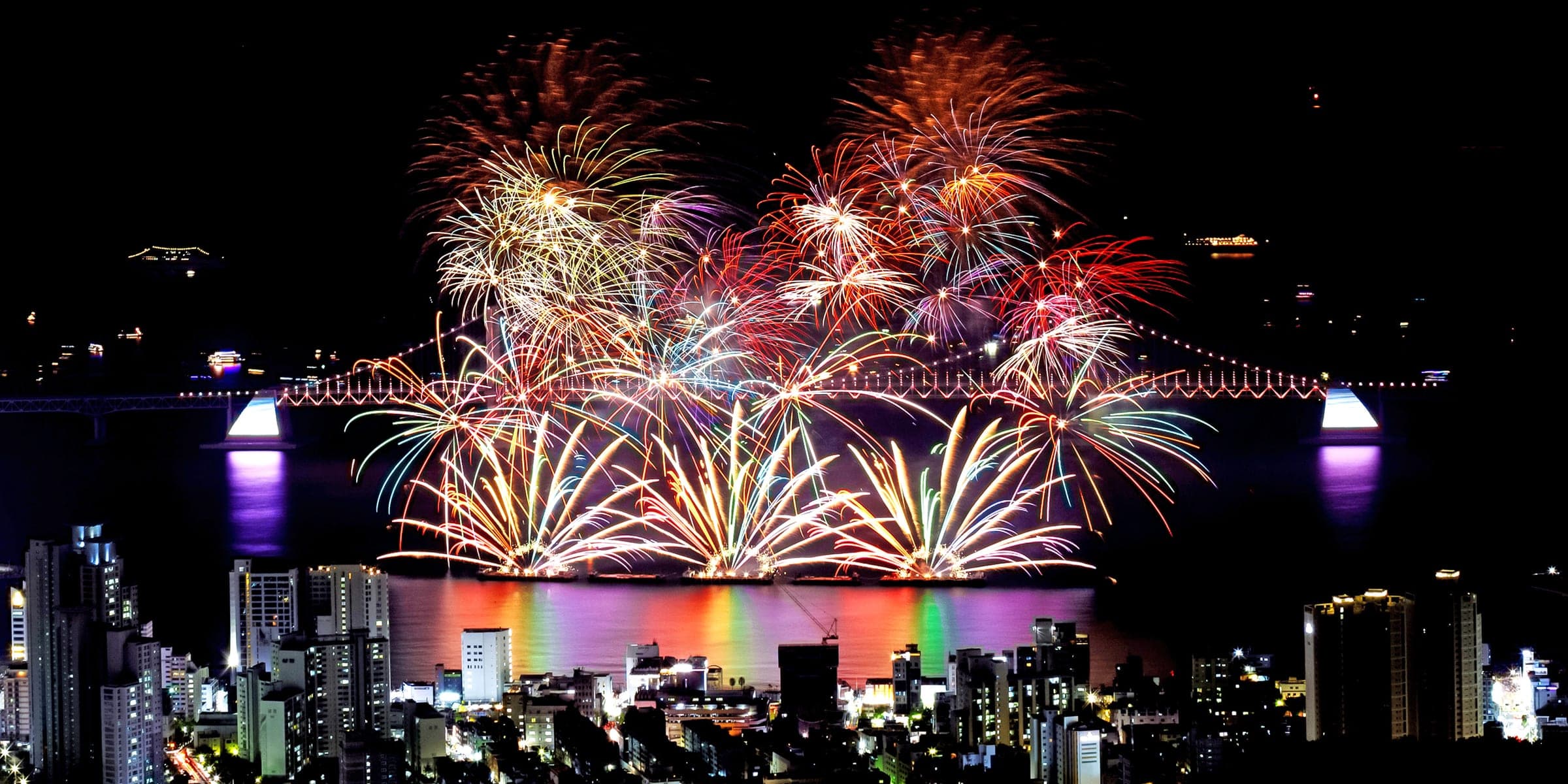
Busan Fireworks Festival 2026 is on 7 November at Gwangalli, 7pm to 8pm. How foreigners buy paid seats, where to watch free, and getting there in the crowds.
Updated Oct 3, 2026
Where to Stay in Busan
Frequently asked questions
How much is the Busan subway?
1,600 won for one section and 1,800 won for two on a transit card, according to Busan Transportation Corporation. QR tickets cost 100 won more in each case. A section is the first 10km of your journey; anything beyond that is two sections.
Does my Seoul T-money card work in Busan?
Yes. Busan's own card is Hanaro, but Visit Busan lists T-money and Cashbee as accepted, including for transfer discounts. One card bought anywhere in Korea covers the subway and buses in both cities, so there is no need to buy a second.
How do you get from Gimhae Airport into Busan?
Gimhae Airport sits about an hour from downtown Busan. Visit Busan names the light rail as the cheapest route, transferring to the subway at Sasang for Line 2 or Daejeo for Line 3.
Is Busan worth it on a first trip to Korea?
Yes, if you want contrast rather than more of Seoul. The fastest KTX takes 2 hours 18 minutes, so Busan costs a morning rather than a day, and it is built around beaches and hillsides in a way the capital is not.
Sources (5) and image credits
Sources
- KTX reservation and timetable (Korail), checked Sep 13, 2026
- Urban rail fare guide (Busan Transportation Corporation), checked Sep 12, 2026
- Preparing for a Trip: useful transport information (Visit Busan (Busan Metropolitan City)), checked Sep 12, 2026
- Subway base fares in Seoul, nearby areas rise by 150 won (The Korea Herald), checked Sep 12, 2026
- Subway: fares and transfers (Seoul Metropolitan Government), checked Sep 12, 2026
Image credits
- Gamcheon Culture Village: Basile Morin (CC BY-SA 4.0)
- Haeundae Beach: StephNurnberg (CC BY 2.0)
- Haedong Yonggungsa, built on the coast: Christian Bolz (CC BY-SA 4.0)
- Gwangan Bridge at night: Spike (Public domain)
- Donggung Palace and Wolji Pond: Basile Morin (CC BY-SA 4.0)
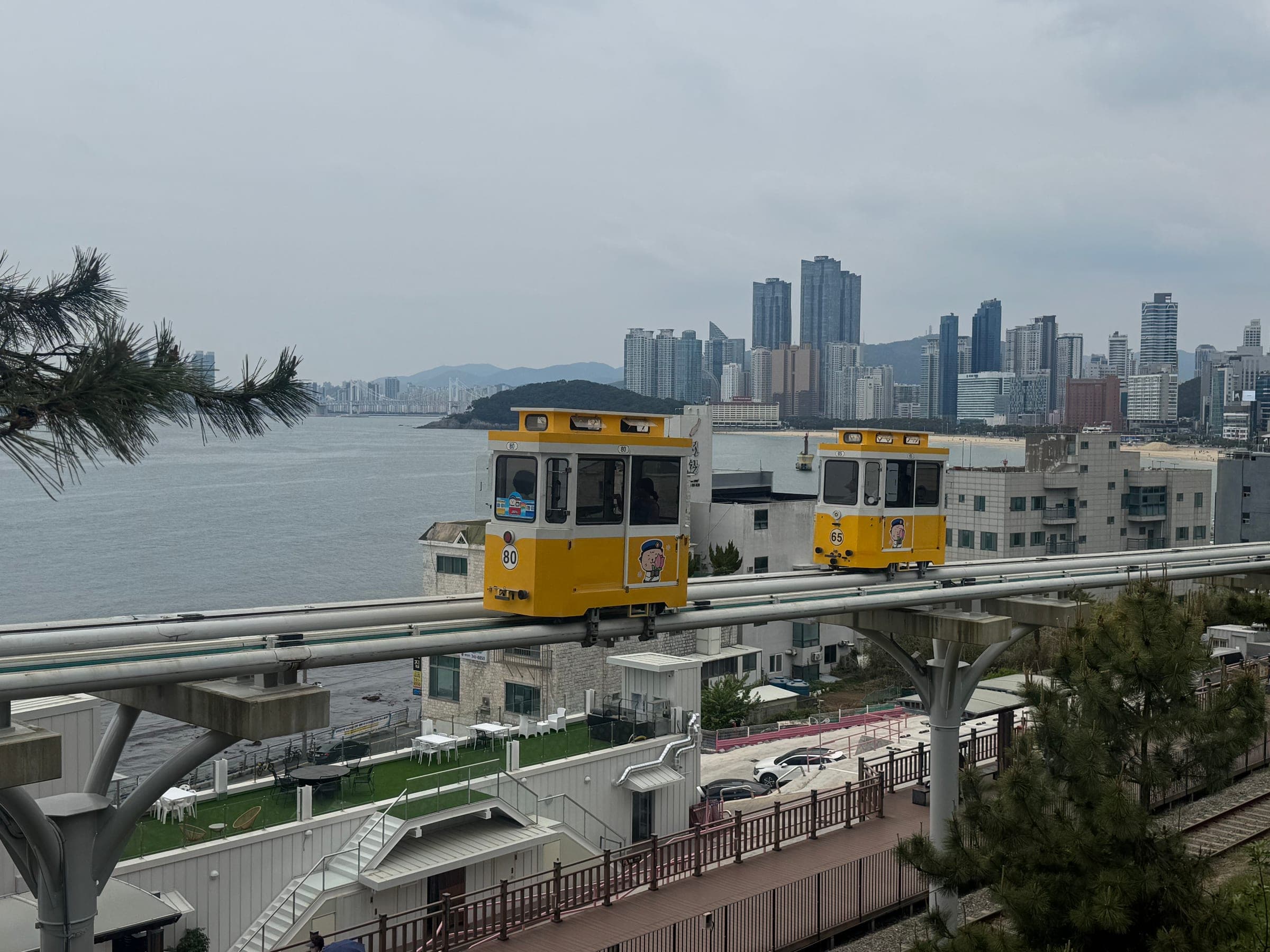
- Sky capsules at Blueline Park, Busan: VN.NguyenDucDuy (CC BY-SA 4.0)
- The festival's barges fire from the water in front of Gwangan Bridge: Busan Metropolitan city (CC BY-SA 4.0)