Transportation
WOWPASS vs T-money vs Climate Card: Which Transit Card to Get
Updated · Fact-checked · By AsiaPicks Editorial Team
We may earn a commission if you book through links on this page, at no extra cost to you. How we make money
Our pick
Get a plain T-money card. It costs 3,000 to 5,000 won and works on buses, subways and taxis across the country. Switch to a Climate Card pass for a stay built around Seoul, where a 7-day pass pays for itself at just over two fares a day. WOWPASS is a T-money card with a prepaid shopping balance attached, and it is worth its 6,000 won fee only if you want that balance.
LG U+ eSIM with a Korean 010 number · affiliate link
Check on Creatrip
| T-money | Climate Card (tourist pass) | WOWPASS | |
|---|---|---|---|
| Card cost | 3,000 to 5,000 won | 3,000 won, plus the pass | 6,000 won membership fee, not refundable |
| What you pay for rides | Each fare, from 1,550 won on the Seoul subway | A flat 5,000 won (1 day) to 20,000 won (7 days) | Each fare, from a separate T-money balance |
| Where it works | Buses, subways and taxis nationwide | Seoul, plus trips ending at Incheon Airport, from 1 October 2026 | Same as T-money, and shops that take cards |
| How you load it | Cash at convenience stores and station machines | Buy the pass at station machines (cash or card) or convenience stores near stations | Cash in 16 currencies at WOWPASS machines, or cards in the app |
| Money back | Balance refunded with a 500 won fee | Unused pass value minus 500 won, before the pass ends | Up to 100,000 won per withdrawal, 1,000 won fee |
| Our pick if | You travel beyond Seoul, or ride only a few times a day | Most of your days are in Seoul | You also want a prepaid card for shopping |
Swipe the table sideways to see every column.
When does the Climate Card pay for itself?
At just over two fares a day on a 7-day pass, and more than three on a 1-day pass. The arithmetic is simple because a Seoul subway ride on a card starts at 1,550 won.
A 7-day pass costs 20,000 won and the card 3,000 won, so a week costs 23,000 won, or about 3,300 won a day. That is roughly two rides. A 1-day pass is 5,000 won, which is three rides and change, and on the first day the 3,000 won card pushes that past five. So the longer pass is the good deal, and the 1-day pass rarely is.
Two rules decide whether that works in practice. Days are calendar days that start on the day you charge the card, so a 1-day pass bought at 10pm expires with that night's last train. And a subway-to-bus change inside the transfer window already stays on one fare with T-money, so count journeys rather than vehicles when you estimate. The transfer rule is set out in the Seoul subway fares guide.
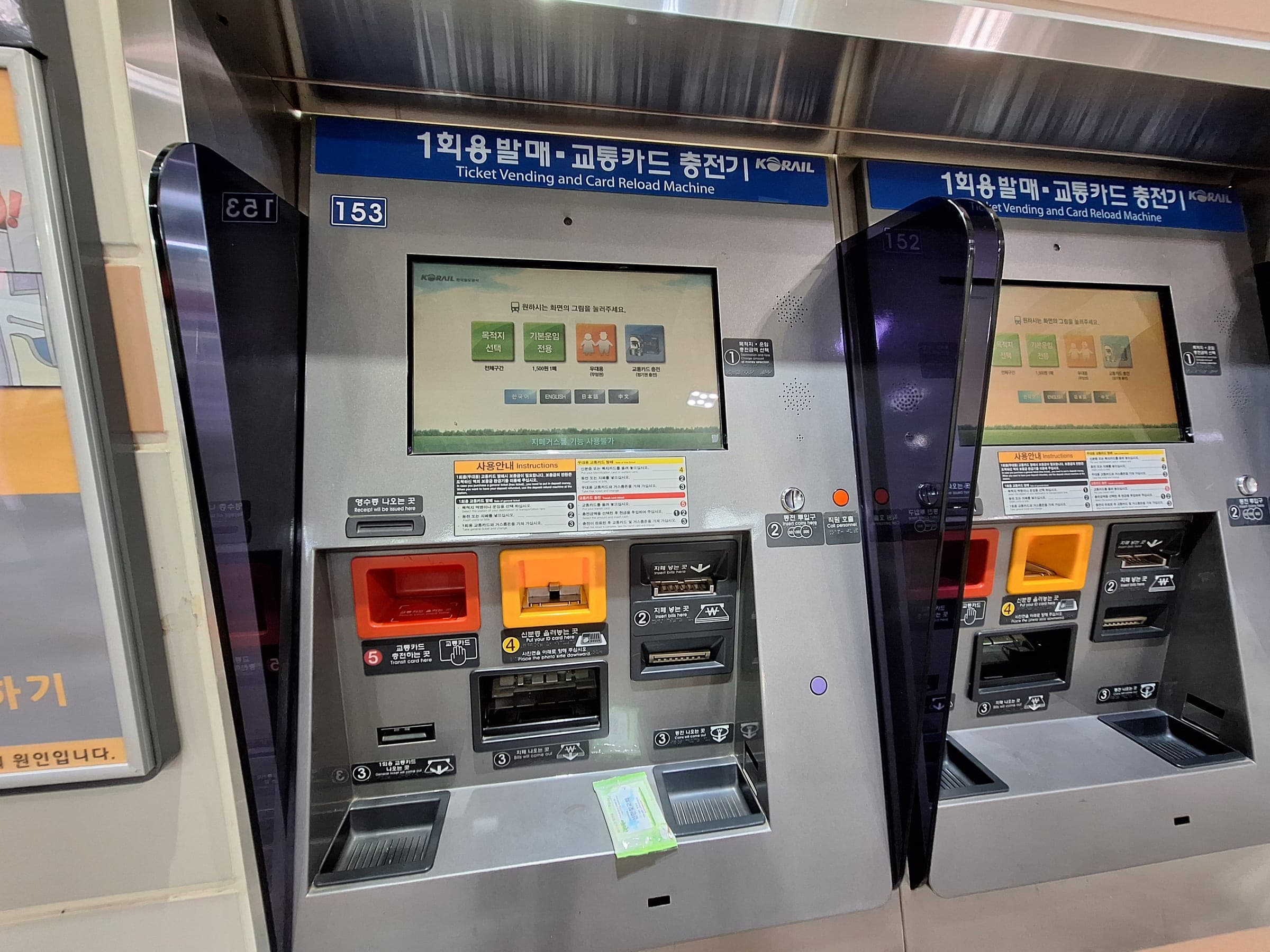
Buying the pass no longer needs cash. Since 17 March 2026, new machines at stations on Lines 1 to 8 sell Climate Card passes to Visa and Mastercard holders, with Seoul quoting an average fee of about 3.7%.
What changes on 1 October 2026?
The pass shrinks to Seoul. From 1 October, Seoul says short-term passes are valid within Seoul and on trips ending at Incheon International Airport, and Gimpo, Goyang, Gwacheon, Guri, Seongnam, Hanam and Namyangju drop out of the service area. Gimpo Airport Station, which is in Seoul, stays in.
The pass does not cover the Sinbundang Line, GTX, red Gwangyeok express buses or airport buses, and it does not include Ttareungyi bikes or the Hangang Bus. If you ride out of the area on the subway, station staff charge the fare from the station where you boarded.
The other change is one you can ignore. The 30-day Climate Card stopped taking recharges on 31 August 2026 and its replacement, the Climate Pass, is for Seoul residents only. The 1, 2, 3, 5 and 7-day tourist passes carry on.
Is WOWPASS worth the 6,000 won?
Only for the shopping side. On a bus or subway, WOWPASS works as a T-money card, and fares come out of its T-money balance rather than its main balance. You fill that transit balance with cash at the same machines as any T-money card, or by moving money across in the WOWPASS app. Money moves one way only: T-money balance cannot go back to the WOWPASS side.
What the fee buys is the main balance, a prepaid card you load with cash in 16 currencies at WOWPASS machines or with international cards in the app, and spend at shops that take cards. WOWPASS says it does not charge for currency exchange. Getting leftover money back costs 1,000 won per withdrawal of up to 100,000 won, and the 6,000 won membership fee is not refunded.
Our pick is WOWPASS for travellers carrying cash they want to change on arrival, or who expect their home card to be declined. For everyone else, a 3,000 to 5,000 won T-money card and a credit card do the same job. The wider question of cards and cash is covered in how to pay in Korea.
Can you skip the card and use your phone?
On an iPhone, yes. Since March 2026, a Foreigner option in the Tmoney app lets visitors top up a T-money card in Apple Wallet with a non-Korean Mastercard, American Express or UnionPay card, according to the Korea JoongAng Daily. Visa was not supported at the time of that report, so Visa holders still need a physical card.
If you are buying a data plan anyway, the card can come free: LG U+ includes a T-money card, collected at the airport, with eSIM plans of three days or more.
Ticket · Creatrip
LG U+ eSIM with a Korean 010 number
LG U+ eSIM with unlimited data and no speed cap, from 1 to 90 days. The Korean number works after a passport check at the airport counter.
Check availability on CreatripHow do you get money back at the end?
At a convenience store for small T-money balances. Refunds carry a 500 won fee and the price of the card is not returned. The Korea Tourism Organization says refunds over 50,000 won have to be made at Tmoney Town near Seoul Station Exit 10.
A Climate Card pass refunds what you charged minus what you used and a 500 won fee, and the refund has to be requested before the pass ends. WOWPASS balances come back as won from a WOWPASS machine.
The cheapest end to a trip is to run the balance down: load small amounts in the last days, and spend what is left on a convenience store purchase, which T-money cards also pay for. For the rest of the planning, start with the South Korea travel guide.
Frequently asked questions
Is WOWPASS better than T-money?
Only if you want a prepaid card for shopping as well as transit. On buses and the subway, WOWPASS works as a T-money card and fares come out of a separate T-money balance, so the extra you pay for, a 6,000 won non-refundable membership fee, buys the shopping balance and currency exchange.
Is the Climate Card worth it for tourists?
For a stay spent mostly in Seoul, usually yes. A 7-day pass is 20,000 won plus a 3,000 won card, which is cheaper than paying for just over two subway rides a day. It covers only Seoul, and from 1 October 2026 trips ending at Incheon Airport, so it is no use in Busan or on the Sinbundang Line.
Does the Climate Card still exist for tourists?
Yes. Seoul ended recharges of the 30-day card on 31 August 2026 and launched a residents-only Climate Pass, but the 1, 2, 3, 5 and 7-day short-term passes continue.
Can I use my T-money card outside Seoul?
Yes. Tmoney says its cards work on buses, subways, taxis, and airport and express buses nationwide, which includes Busan. The Climate Card does not work outside its Seoul service area.
Related guides
How to Pay in Korea: Cards, Cash and Transit
Foreign cards work in most Korean shops. They fail at market stalls, on Korean websites and at the subway gate, and each of those gaps has its own workaround.
Updated Sep 13, 2026
Seoul Subway Fares and Transfers: What a Ride Actually Costs
What a Seoul subway ride costs on a transit card, why so many guides still quote an old fare, and the transfer rule that decides what you actually pay in a day.
Updated Sep 13, 2026
Korea eSIM With a Phone Number: Which One to Get
Tourist eSIMs from SK Telecom, KT and LG U+ cost the same for five days. What differs is the data cap, the Korean number and where you have to switch it on.
Updated Sep 13, 2026
K-ETA or e-Arrival Card: Which One Do You Actually Need?
Most visitors to South Korea are exempt from the K-ETA, and that exemption is exactly what makes the e-Arrival Card mandatory for them instead.
Updated Sep 12, 2026
Sources (12) and image credits
Sources
- eSIM with Korean Phone Number (LG U+), checked Sep 13, 2026
- Transportation Cards (Korea Tourism Organization), checked Sep 13, 2026
- TMONEY TRAVEL CARD: Tmoney for Foreign Tourists (Tmoney), checked Sep 13, 2026
- Climate Card (Seoul Metropolitan Government), checked Sep 13, 2026
- SMG Steps Up Outreach Ahead of Climate Pass Launch on September 1 (Seoul Metropolitan Government), checked Sep 13, 2026
- How to use the Climate Card (Korean) (Seoul Metropolitan Government), checked Sep 13, 2026
- Climate Cards and Single-Journey Transit Tickets Now Accepting International Credit Cards (Seoul Metropolitan Government), checked Sep 13, 2026
- Refunds for standard cards (Korean) (Tmoney), checked Sep 13, 2026
- WOWPASS FAQ (WOWPASS), checked Sep 13, 2026
- WOWPASS (WOWPASS), checked Sep 13, 2026
- Apple Pay Tmoney allows foreigners, tourists to ride using iPhones (Korea JoongAng Daily), checked Sep 13, 2026
- Seoul subway fare to rise to 1,550 won (The Korea Herald), checked Sep 13, 2026
Image credits
- A Seoul city bus: Sgroey (CC BY-SA 4.0)
- Ticket vending and card reload machines, Seoul subway: LandAndTree (CC BY 4.0)
- Gwangjang Market, Seoul: Bgag (CC0)
- Platform screen doors are standard across the Seoul network: LERK (CC BY-SA 4.0)
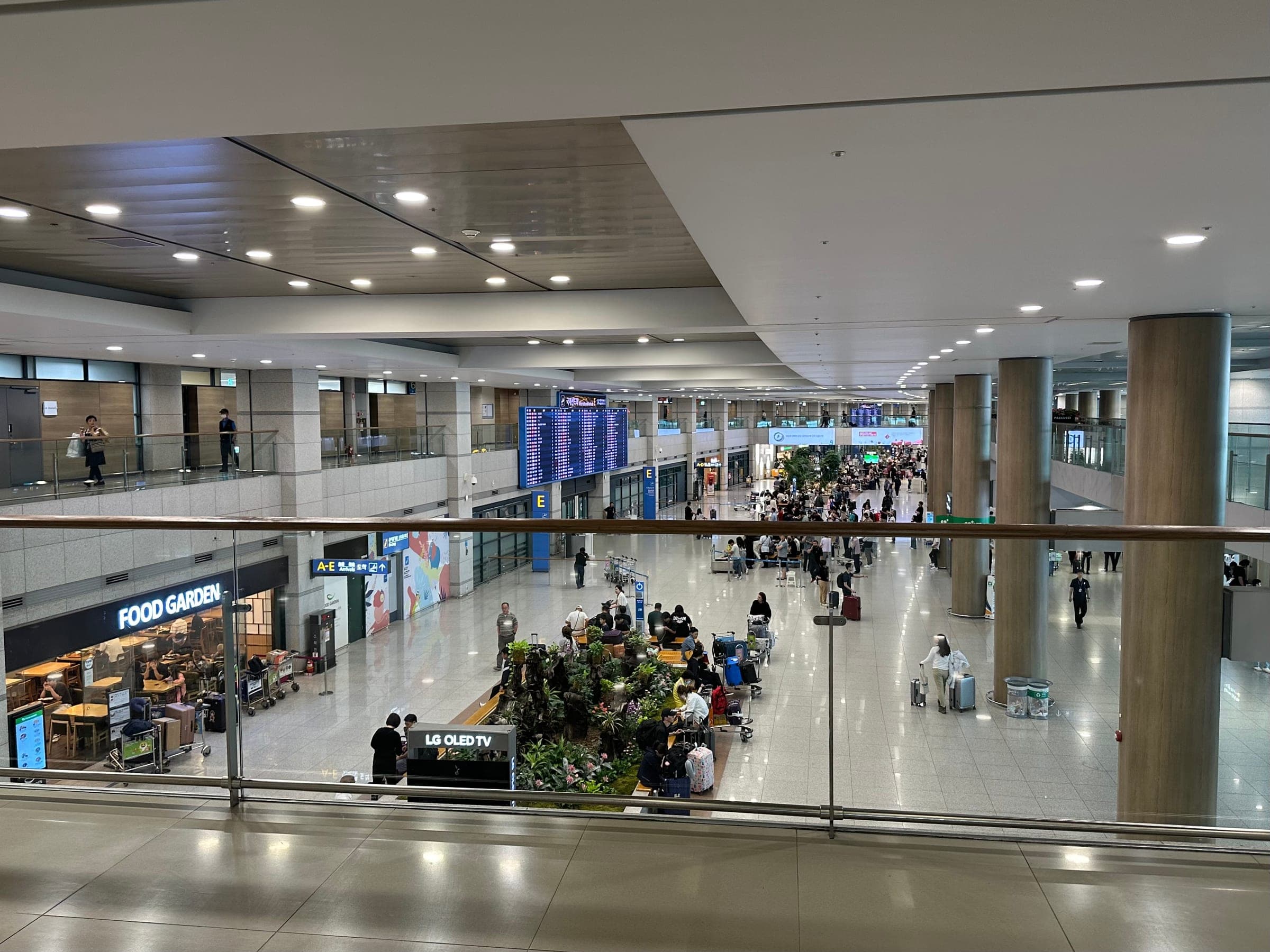
- Arrival floor, Incheon Airport Terminal 1: ノボホショコロトソ (CC BY 4.0)
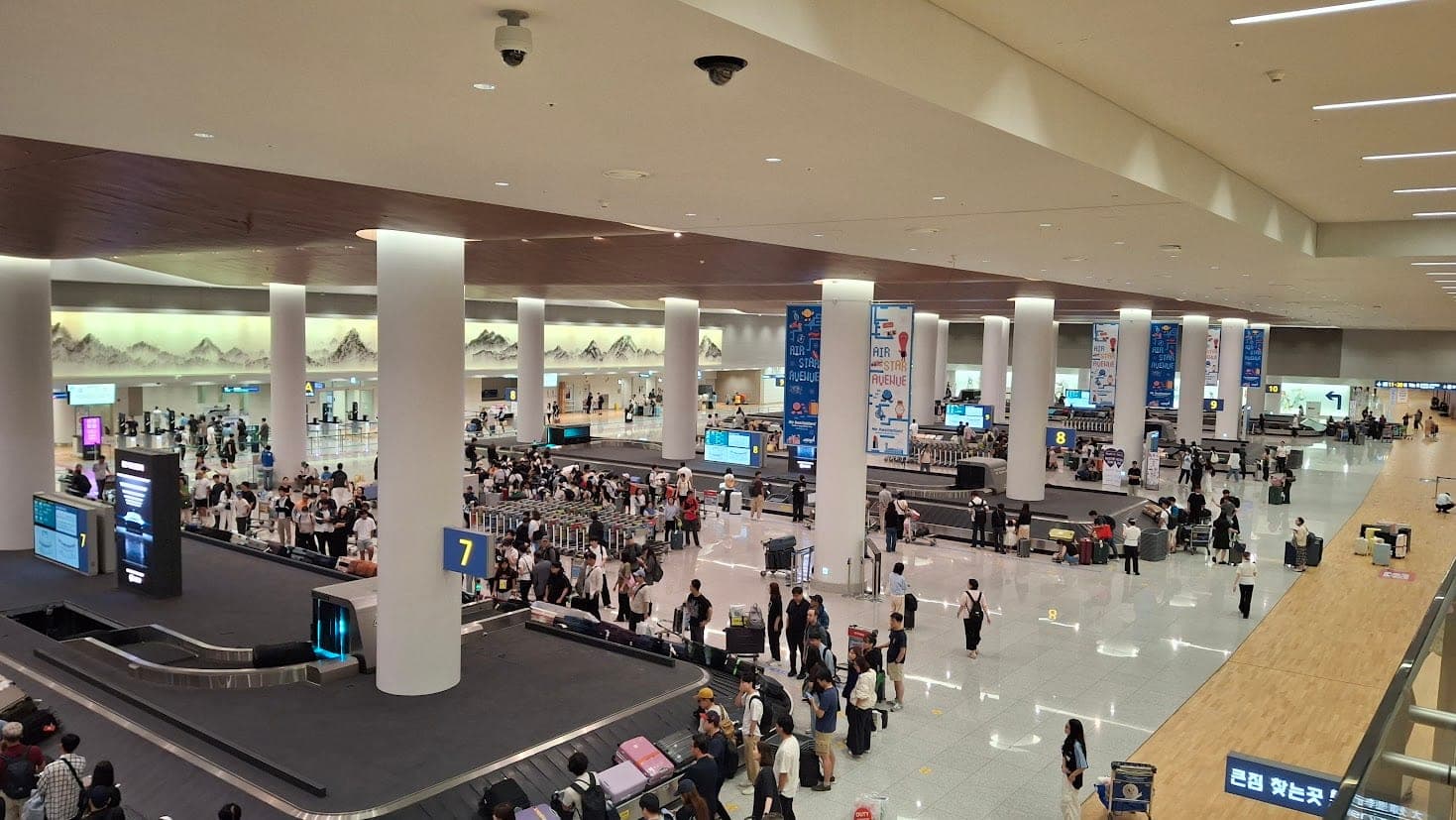
- Arrival hall, Incheon Airport Terminal 2: AirportTerminalGuy (CC BY 4.0)