Experiences
Autumn Leaves in Korea 2026: Peak Dates and Where to Go
Updated · Fact-checked · By AsiaPicks Editorial Team
We may earn a commission if you book through links on this page, at no extra cost to you. How we make money
Short answer
The leaves are forecast to turn late in 2026. Seoraksan peaks around 25 October, Bukhansan in Seoul around 4 November, Naejangsan around 11 November and Hallasan on Jeju around 13 November, according to Weatheri's forecast published by the Korea Tourism Organization. For a trip based in Seoul, the last week of October catches Seoraksan at its best and Seoul just starting to turn.
Seoraksan autumn foliage day tour from Seoul · affiliate link
Check on Viator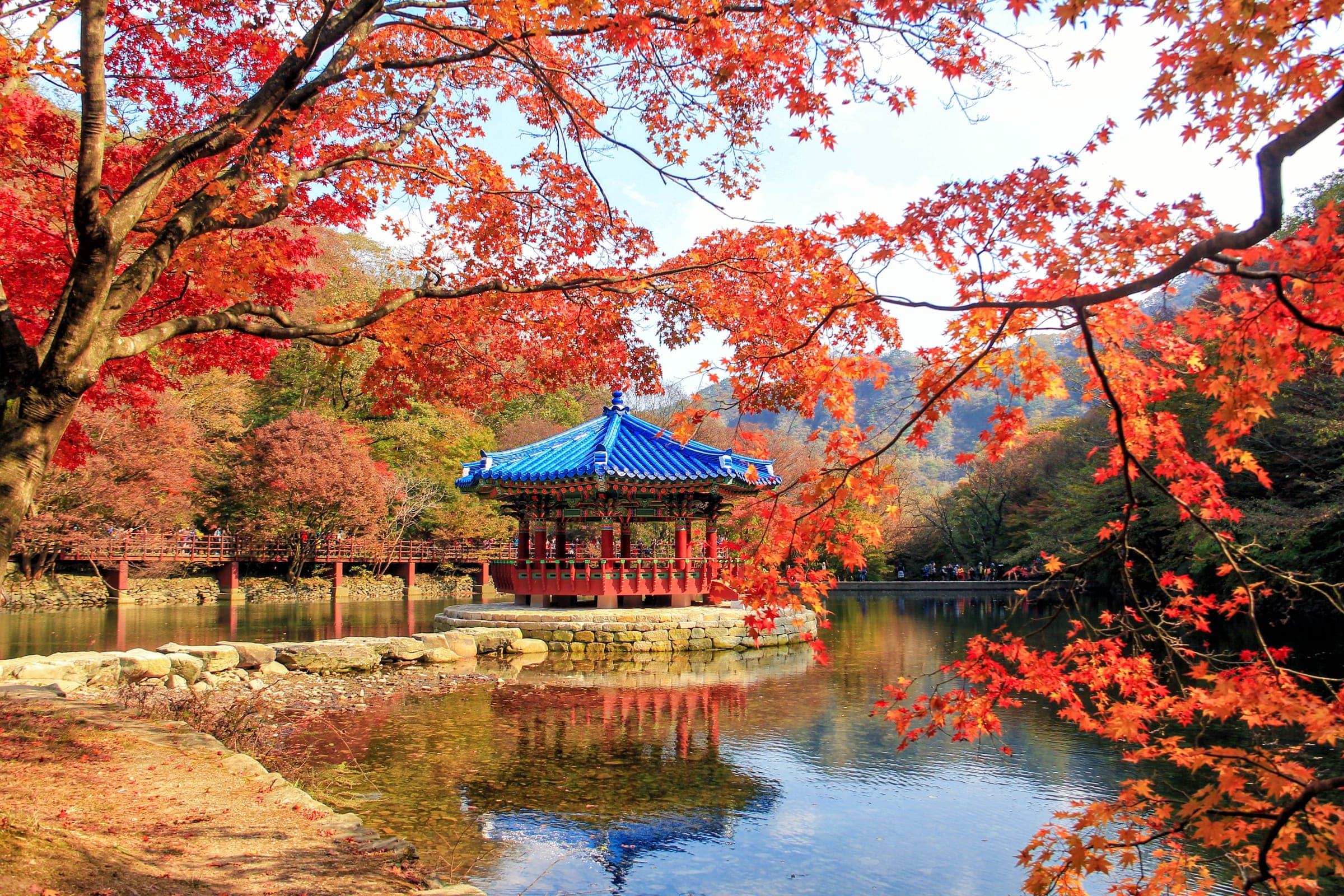
| Mountain | First colour | Peak |
|---|---|---|
| Seoraksan | 3 October | 25 October |
| Bukhansan (Seoul) | 23 October | 4 November |
| Jirisan | 28 October | 5 November |
| Naejangsan | 5 November | 11 November |
| Hallasan (Jeju) | 31 October | 13 November |
Swipe the table sideways to see every column.
2026 forecast by Weatheri, published by the Korea Tourism Organization. Forecasts move with the weather, so check again in early October.
When do the leaves peak in 2026?
From late October in the north to mid-November in the south. Weatheri's 2026 forecast puts the first colour at Seoraksan on 3 October and peak colour there on 25 October, with Hallasan on Jeju last at 13 November.
The two dates mean different things. First colour is when about 20% of a mountain has turned, counted from the summit down, and peak is when about 80% has. Peak usually follows two to three weeks after first colour: Weatheri says about two weeks, and the Korea Meteorological Administration about 20 days.
This year runs late. September and October are expected to be warmer than normal, so Weatheri forecasts first colour 9.2 days later than normal on average across the mountains it tracks. The colour then moves south at 20 to 25km a day, which is why Seoraksan and the southern tip of the peninsula start about a month apart.
Forecasts differ. K-Weather, the other private forecaster, expects Seoraksan to start around 30 September, a few days before Weatheri's date. Plan around the week rather than the day.
Where can you see autumn leaves in Seoul?
Changdeokgung's Secret Garden, Namsan and the Deoksugung stone-wall walkway, all without leaving the city. Seoul's colour comes later than the mountains: Bukhansan, on the city's northern edge, is forecast to peak on 4 November.
Our pick is the Secret Garden, because it is the one place in Seoul where autumn colour, a palace and a limit on crowds come together. Entry is by guided tour only, with English tours at 10:30, 11:30, 14:30 and 15:30 from March to November. Each tour takes up to 100 people, 50 booked online and 50 sold on site on the day. The garden ticket is 5,000 won for adults, and the palace ticket of 3,000 won is needed as well. Changdeokgung is closed on Mondays.
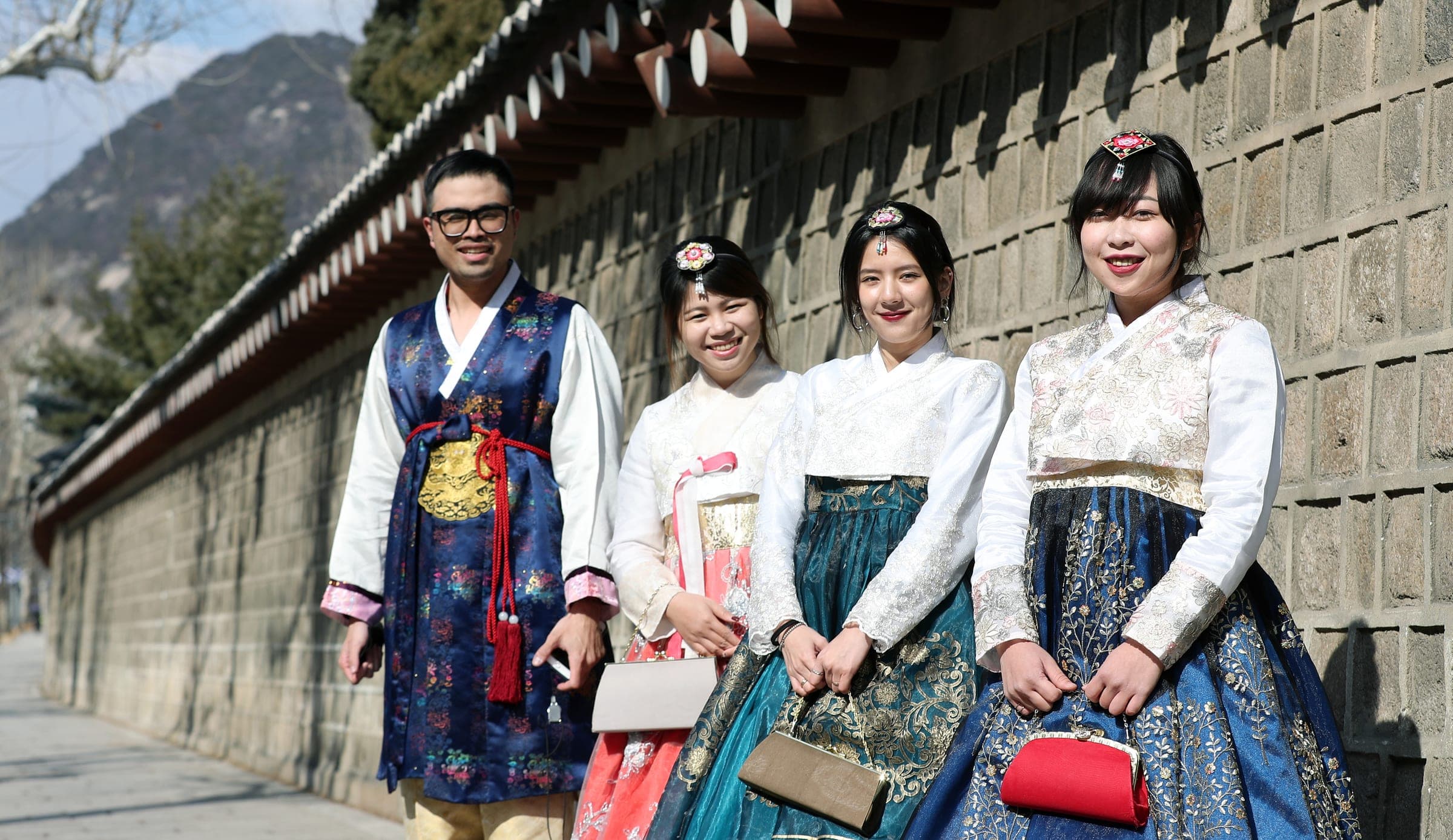 Related guideHanbok Rental Near Gyeongbokgung: Free Entry and the RulesHanbok gets you into Seoul's main palaces free if it has a wrap collar and a top with a skirt or trousers. Where to rent, what is included, and Bukchon's 5pm rule.
For a walk rather than a tour, the Namsan Southern Walking Path is a 1.3km avenue of plane trees that Visit Seoul says is at its best from late October to early November. The Deoksugung stone-wall walkway is lined with ginkgo and maple, and Seoul Forest's metasequoia and ginkgo trees turn gold a two-minute walk from Seoul Forest Station, exit 4.
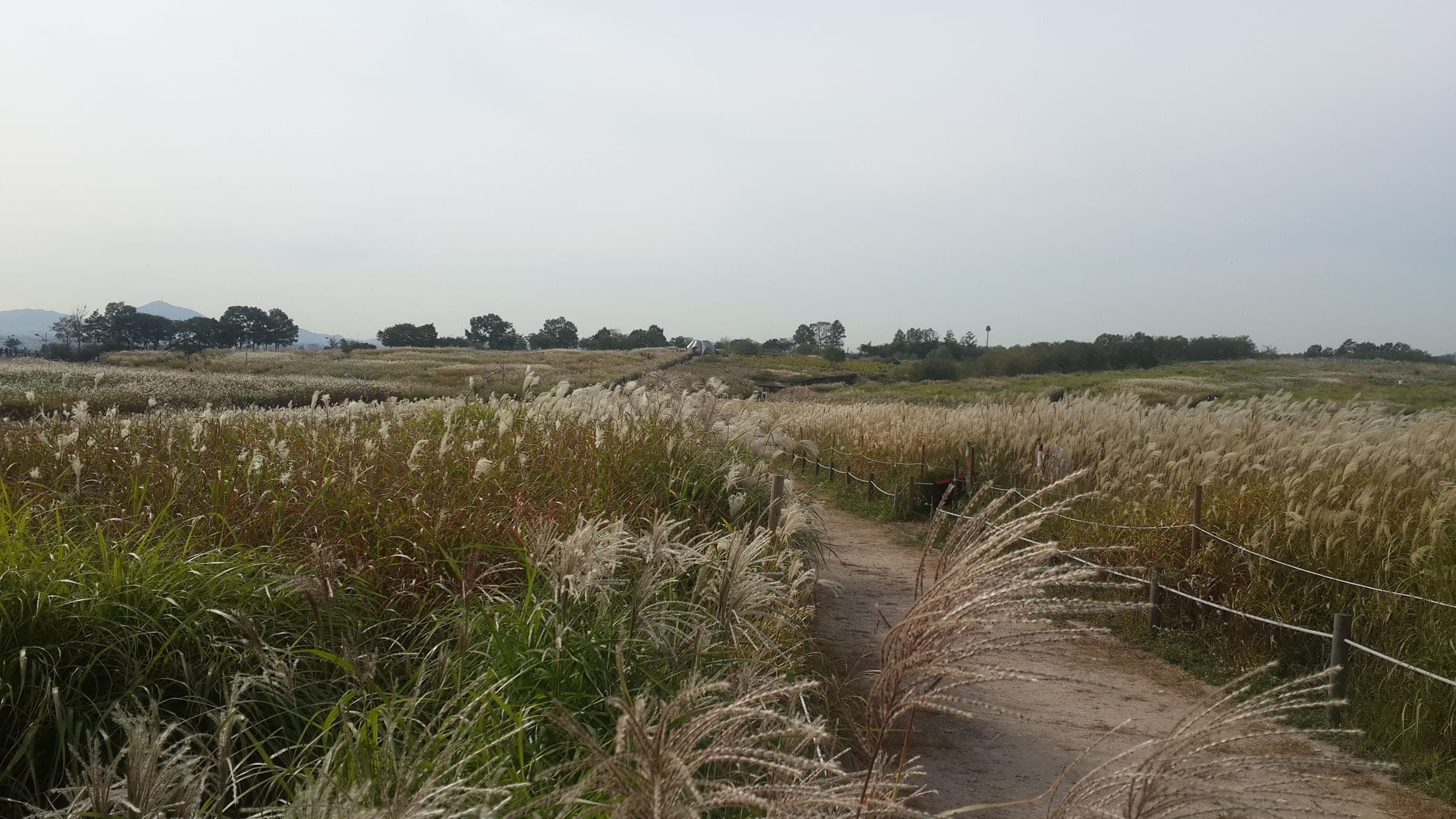
Haneul Park's silver grass is the other autumn sight, and the 25th Seoul Silver Grass Festival runs there from 17 to 23 October 2026. The park is a 30-minute walk, or the Mapo 08 village bus, from World Cup Stadium Station, exit 1. Bukhansan itself is free to enter, and bus 1020 runs to the park entrance from Gwanghwamun Station, exit 2.
Which day trip from Seoul is worth it?
Seoraksan in the last week of October. It is forecast to peak on 25 October, a week or more before Seoul itself, which makes it the one trip that gives you full colour while Seoul is only starting to turn.
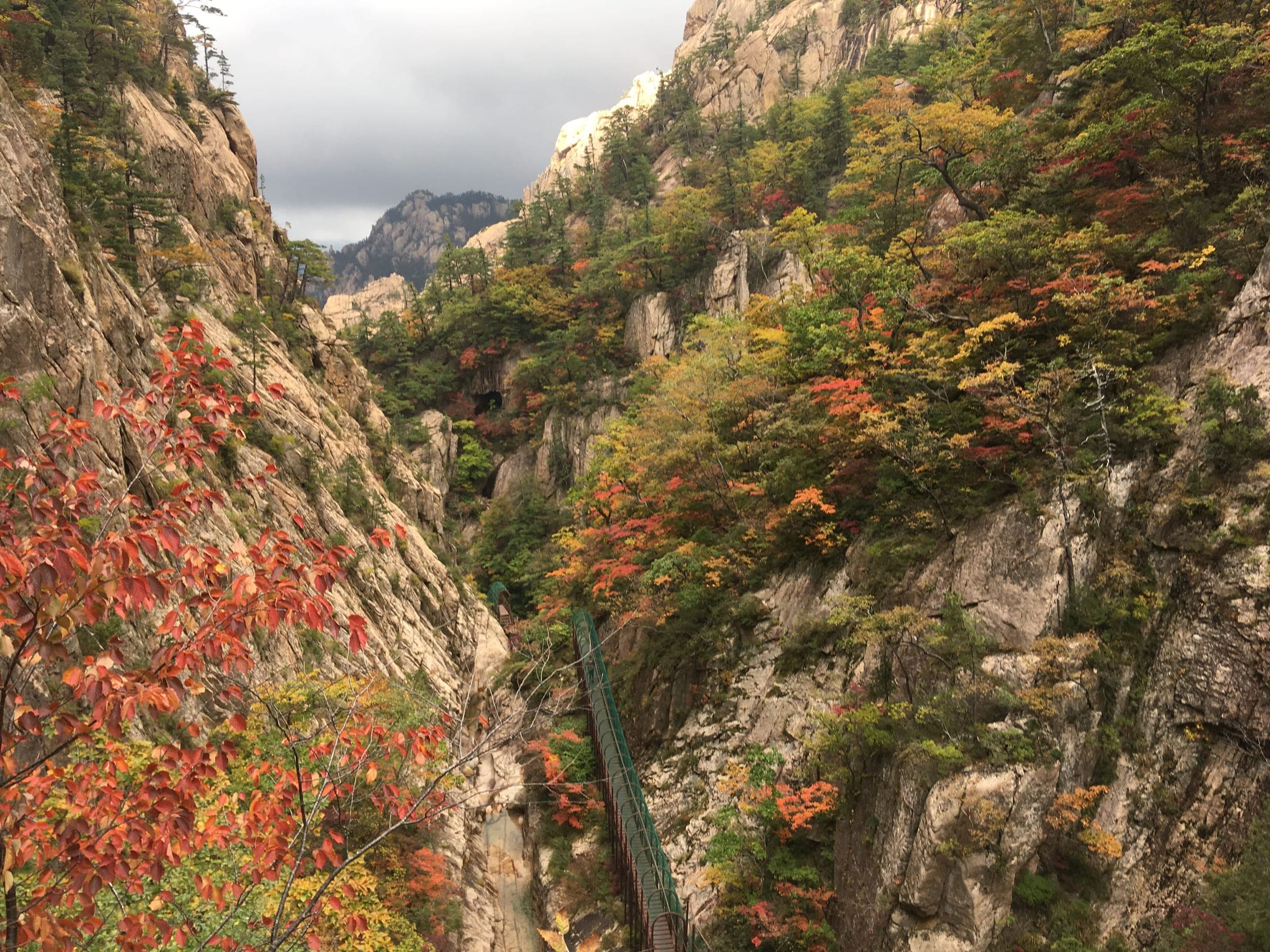
Getting there is the hard part at peak. Express buses to Sokcho take about 2 hours 30 minutes, with city buses 7 and 7-1 on to the park. The Seoraksan cable car sells tickets only on site on the day, at 16,000 won return for adults, and the operator says most weekends are busy. That combination is why a tour with transport included suits a single day.
Nami Island is the easier trip and turns later. The ITX-Cheongchun train reaches Gapyeong in about 60 minutes from Yongsan, and the ferry wharf is 1.5km from the station. Admission is 19,000 won including the ferry, and the island says the leaves are at their best from late October to mid-November.
Naejangsan, famous for its maples, is the latest of the three, forecast to peak on 11 November. The Korea Tourism Organization advises taking the KTX to Jeongeup at peak season rather than driving, because of the traffic.
Tour · Viator
Seoraksan autumn foliage day tour from Seoul
A guided day trip from Seoul to Seoraksan National Park for the autumn colours, with transport handled.
Check availability on ViatorTour · Viator
Nami Island and Garden of Morning Calm tour from Seoul
A day tour from Seoul combining Nami Island with the Garden of Morning Calm and other stops near Gapyeong.
Check availability on ViatorTour · Viator
Naejangsan autumn foliage day tour from Seoul
A guided day trip from Seoul to Naejangsan National Park, the latest of the famous foliage parks to peak.
Check availability on Viator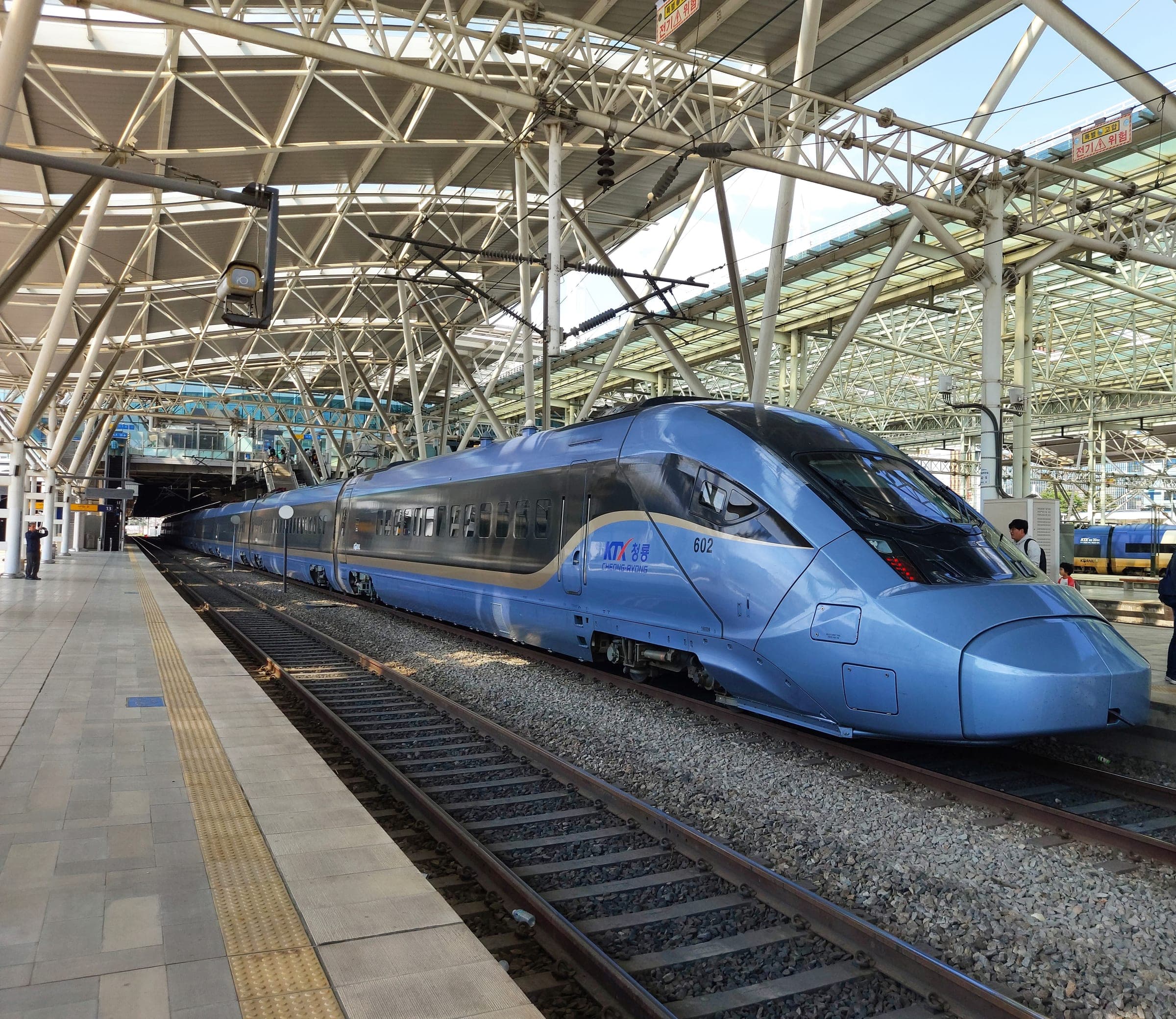 Related guideHow to Book the KTX: Tickets, Fares and the 2026 ChangesKTX tickets open at 7am a month before travel. Since 1 September 2026 the KTX and SRT are one network and fares are 10% lower: Seoul to Busan is 54,400 won.
What about the rest of the country?
Gyeongju and Jeju come later still. Bulguksa in Gyeongju is free to enter and has maples planted through its grounds, and Gyeongju's city government points to the roughly 2km road of ginkgo trees in front of Tongiljeon, which turns yellow from late October to early November.
On Jeju, Hallasan is forecast to peak on 13 November, the last of the major mountains. The upper sections of the two summit trails need a reservation, and bookings for the following month open at 9am on the first working day of each month. A car-free Jeju trip needs its base chosen with the bus routes in mind.
 Related guideJeju Without a Car: What the Island Still Gives YouJeju is a ring and its sights sit around the edge, so going car-free is not a smaller version of the same trip. It is a different one. Here is what it contains.
What should you plan around?
Temperature and trail closures. Seoul averages a high of 20.2°C and a low of 10.6°C in October, falling to 11.9°C and 3.5°C in November, according to the Korea Meteorological Administration's 1991 to 2020 normals. Pack a warm layer for any day in the mountains.
Mountain trails start closing for the forest fire season from mid-November. In 2025, national parks closed 146 trail sections from 15 November to 15 December, and the 2026 dates have not been announced yet. At Seoraksan in 2025 the high trails closed while lower spots such as Biseondae and Ulsanbawi stayed open, so the closures matter most for a summit hike planned for the second half of November.
Day trips and the city itself are covered in the Seoul travel guide, and the South Korea travel guide covers getting between regions.
Frequently asked questions
When is peak autumn foliage in Korea in 2026?
From late October in the northern mountains to mid-November in the south. Weatheri forecasts peak colour at Seoraksan on 25 October, Bukhansan on 4 November, Jirisan on 5 November, Naejangsan on 11 November and Hallasan on 13 November.
Why are the leaves late this year?
September and October are expected to be warmer than normal. Weatheri forecasts first colour 9.2 days later than normal on average across the mountains it tracks, and peak colour 8 days later.
Where can I see autumn leaves in Seoul?
Changdeokgung's Secret Garden, the southern walking path on Namsan, the Deoksugung stone-wall walkway and Seoul Forest are the easiest. Namsan's plane-tree path is at its best from late October to early November.
Are Korean national parks free to enter?
Mostly. Admission fees at national parks were abolished on 1 January 2007, with Gyeongju, Hallasan and part of Hallyeohaesang excluded at the time. Cable cars and some sites inside parks still charge.
Related guides
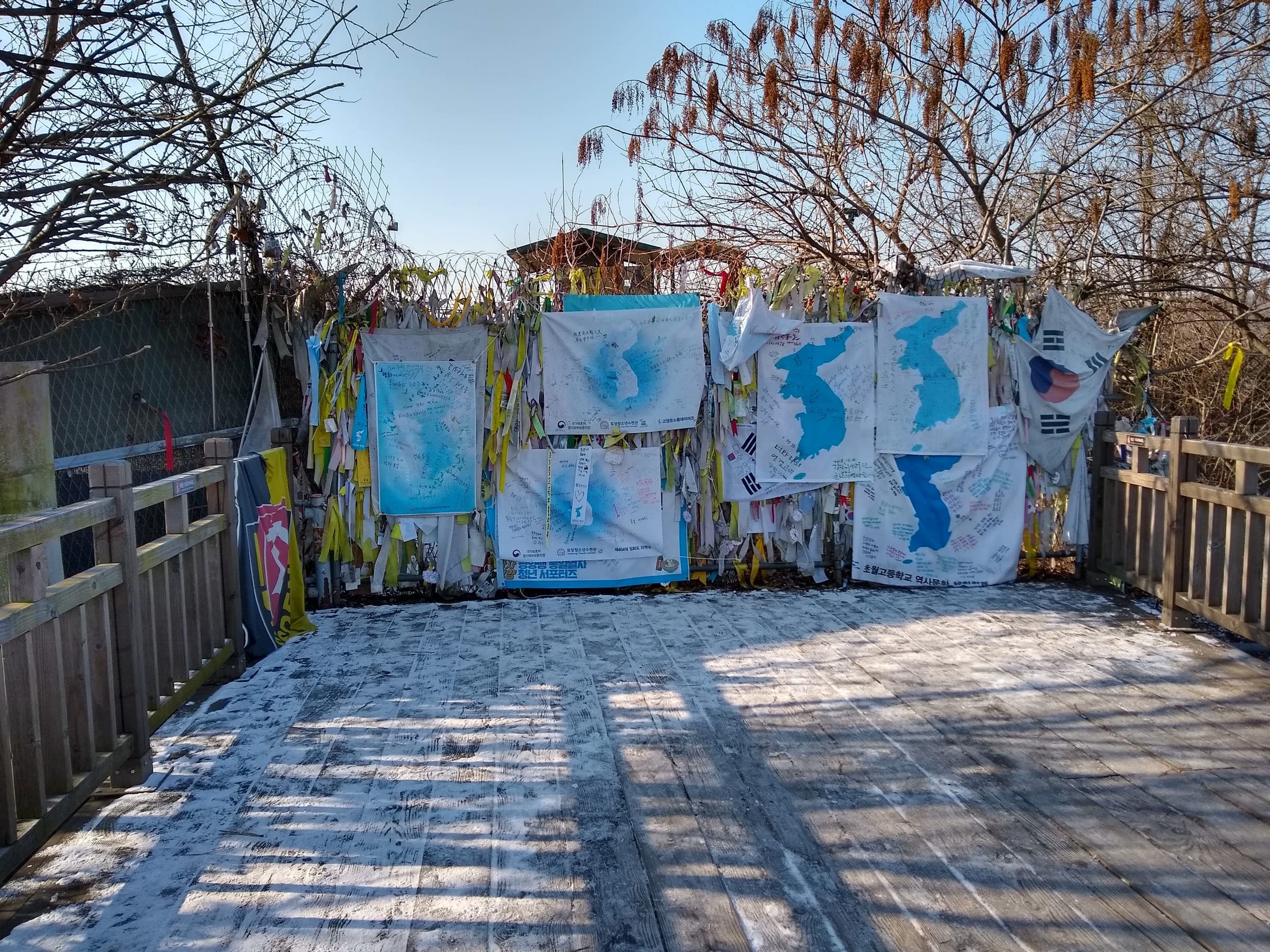
DMZ Tours from Seoul: What You Can Actually Visit
The DMZ can only be visited on a guided tour, and the JSA at Panmunjom has been shut to the public since December 2023. What that means for what you book.
Updated Sep 12, 2026
How to Book the KTX: Tickets, Fares and the 2026 Changes
KTX tickets open at 7am a month before travel. Since 1 September 2026 the KTX and SRT are one network and fares are 10% lower: Seoul to Busan is 54,400 won.
Updated Sep 13, 2026
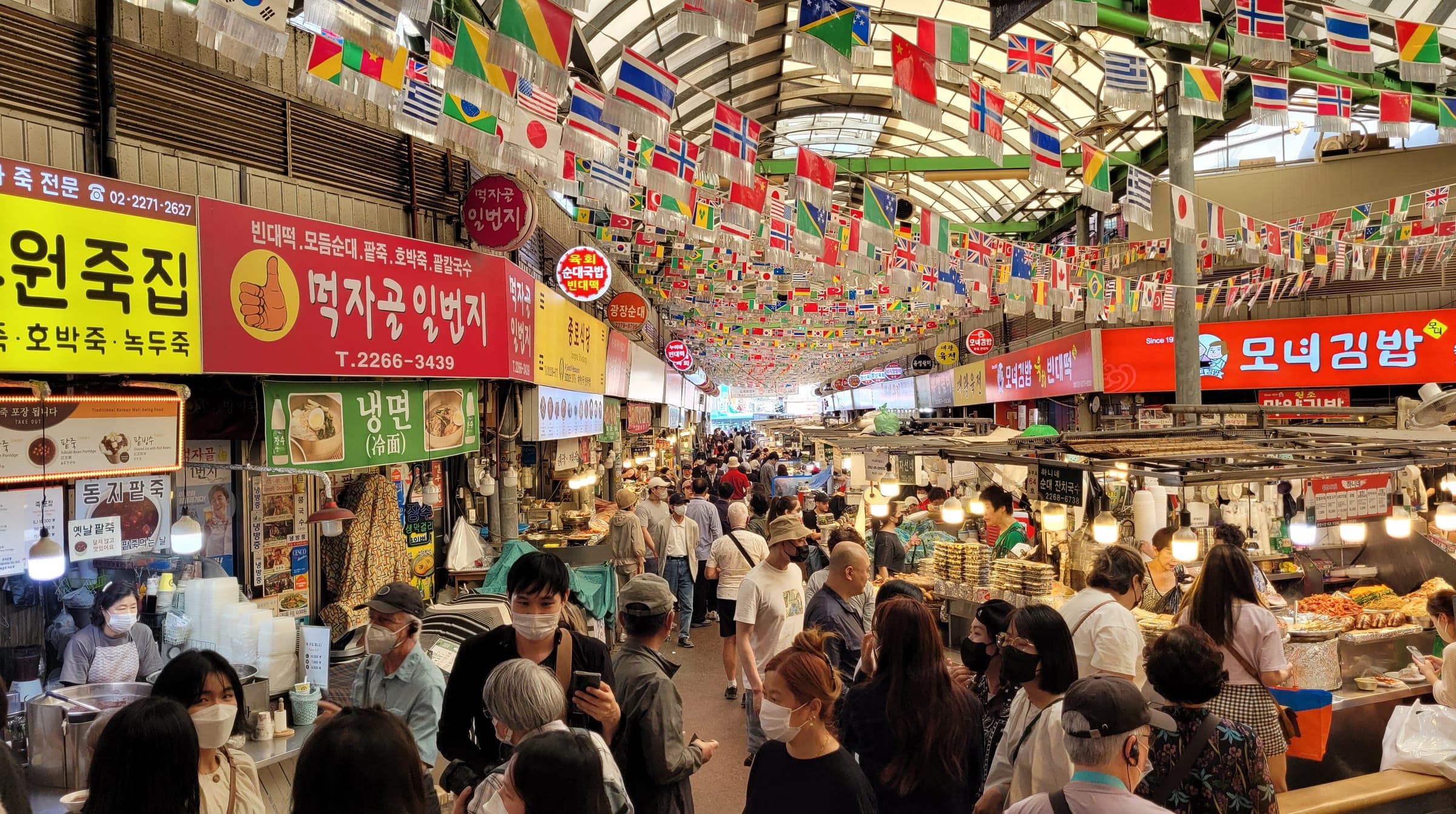
How to Pay in Korea: Cards, Cash and Transit
Foreign cards work in most Korean shops. They fail at market stalls, on Korean websites and at the subway gate, and each of those gaps has its own workaround.
Updated Sep 13, 2026
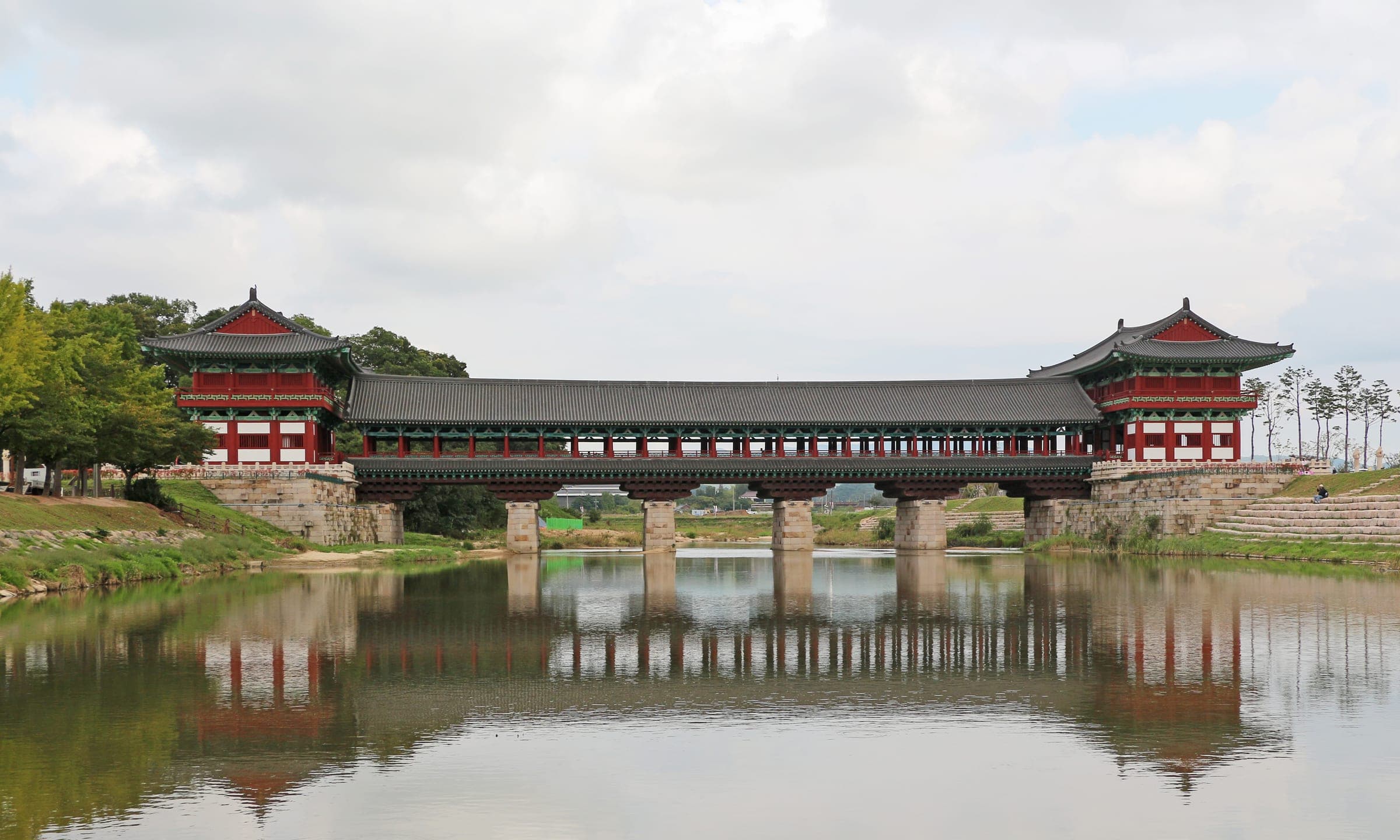
Korea in 7 Days: Seoul, Gyeongju and Busan by KTX
A first week in South Korea: four days in Seoul, a night in Gyeongju and a last day on the Busan coast, linked by the KTX, with opening hours and fares checked.
Updated Sep 13, 2026
Sources (23) and image credits
Sources
- 2026 Fall Foliage Forecast (Korea Tourism Organization), checked Sep 13, 2026
- 2026 foliage forecast (Korean) (Weatheri), checked Sep 13, 2026
- First foliage at Seoraksan around 30 September (Korean) (The Korea Economic Daily), checked Sep 13, 2026
- Seoraksan foliage begins (Korean) (Korea Meteorological Administration), checked Sep 13, 2026
- Changdeokgung Secret Garden (Visit Seoul), checked Sep 13, 2026
- Changdeokgung FAQ (Korean) (Korea Heritage Service), checked Sep 13, 2026
- Autumn Trail, Namsan Southern Walking Path (Visit Seoul), checked Sep 13, 2026
- Enjoy autumn leaves at Gyeongbokgung Palace and other spots in Seoul (Visit Seoul), checked Sep 13, 2026
- Seoul's Top 5 Fall Forests (Korea Tourism Organization), checked Sep 13, 2026
- 25th Seoul Silver Grass Festival (Korean) (Seoul Metropolitan Government), checked Sep 13, 2026
- Bukhansan National Park (Visit Seoul), checked Sep 13, 2026
- Seorak Cablecar usage guide (Korean) (Seorak Cablecar), checked Sep 13, 2026
- Nami Island admission (Naminara Republic), checked Sep 13, 2026
- Getting to Nami Island (Naminara Republic), checked Sep 13, 2026
- When the leaves turn on Nami Island (Korean) (Naminara Republic), checked Sep 13, 2026
- Jeongeup Naejangsan Special Tourist Zone (Korea Tourism Organization), checked Sep 13, 2026
- Gyeongju Bulguksa Temple (Korea Tourism Organization), checked Sep 13, 2026
- Gyeongju's recommended foliage spots (Korean) (Pressian), checked Sep 13, 2026
- Hallasan trail reservation guide (Korean) (Hallasan National Park), checked Sep 13, 2026
- National park admission fees abolished (Korean) (Korea National Park Service), checked Sep 13, 2026
- National park trail closures for fire prevention (Korean) (Korea Policy Briefing), checked Sep 13, 2026
- Seoraksan high trails close for fire season (Korean) (Kyunghyang Shinmun), checked Sep 13, 2026
- Korea climate normals 1991 to 2020 (Korean) (Korea Meteorological Administration), checked Sep 13, 2026
Image credits
- Naejangsan in autumn: Tung Thanh Dang (CC BY-SA 3.0)
- Silver grass at Haneul Park, Seoul: Ji-soo Seo (CC BY-SA 4.0)
- Seoraksan National Park in autumn: Christophe95 (CC BY-SA 4.0)
- Freedom Bridge, Imjingak: Lance Vanlewen (CC BY-SA 4.0)
- KTX-Cheongryong at Seoul Station: 생각하는 나무 (CC BY-SA 4.0)
- Gwangjang Market, Seoul: Bgag (CC0)
- Woljeonggyo Bridge, Gyeongju: Bernard Gagnon (CC0)
- Visitors in hanbok beside a palace wall in Seoul: Republic of Korea from Seoul, Republic of Korea (CC BY-SA 2.0)
- The Jeju Olle trail follows the island's coast: Jeju Olle Foundation (CC BY-SA 4.0)