Where to Stay
Where to Stay in Gyeongju: The Old Centre, Bomun or Bulguksa
Updated · Fact-checked · By AsiaPicks Editorial Team
We may earn a commission if you book through links on this page, at no extra cost to you. How we make money
Our pick
Our pick for one night is the old centre around Hwangnidan-gil and Daereungwon: the tombs, Cheomseongdae and Donggung Palace and Wolji Pond after dark are all on foot, and buses 10, 11 and 711 run from there to Bulguksa. Bomun Lake suits a resort stay with a car or taxis. Skip the area around Gyeongju Station, which is far from all of it.
Gyeongju hotels · affiliate link
Check on Trip.com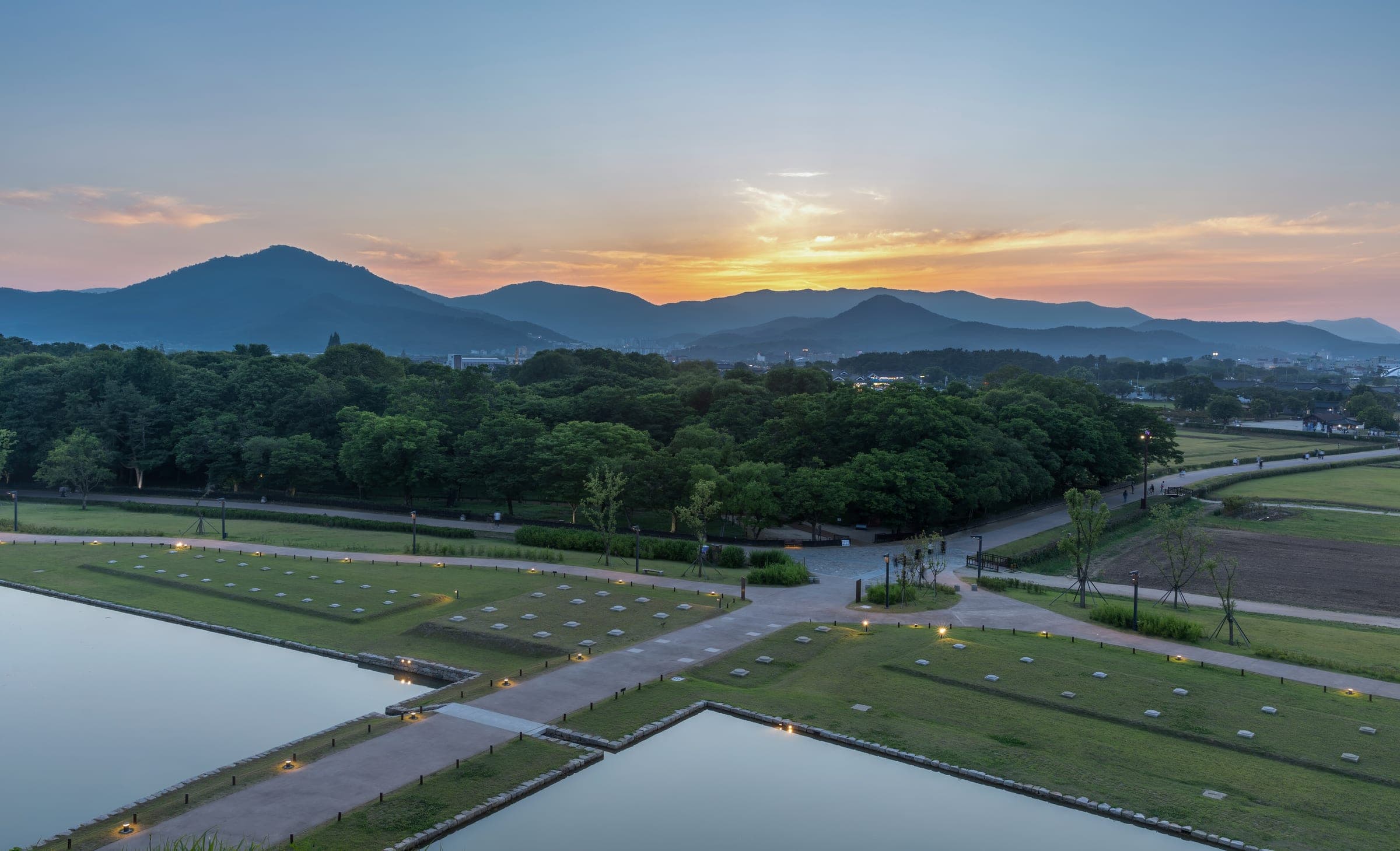
| Area | Suits | Trade-off |
|---|---|---|
| Old centre (Hwangnidan-gil) | First visits, one night | Busy lanes, few big hotels |
| Bomun Lake | Resort hotels, families | Bus or taxi to every sight |
| Bulguksa | An early temple start | Far from the pond at night |
| Gyeongju Station | Late arrival, early train | Far from everything |
Swipe the table sideways to see every column.
Our pick is the old centre around Hwangnidan-gil and Daereungwon. The rest of this guide explains why, and when one of the others wins.
Why does the area matter so much in Gyeongju?
Because Gyeongju has no subway and its sights sit in three separate places. The tombs, Cheomseongdae and Donggung Palace and Wolji Pond are in the old centre. Bomun Lake, with the large hotels, is about 10km east of downtown, according to the Korea Tourism Organization. Bulguksa is further out again, and the KTX station is outside the city altogether.
The Gyeongju travel guide argues for one night rather than a day trip, and the reason is timing. The best night-time sight and the best morning sight are in different places, so where you sleep decides which of the two is a walk and which is a bus.
Buses cost 1,500 won a ride, 50 won less with a transit card, and a transfer within 30 minutes is free, according to Gyeongju's transport information centre. Taxis are the catch. Gyeongju Smart Tour notes that a surcharge applies beyond 5km of the Gyeongju Arts Center, which covers the station, Bulguksa and Bomun.
The old centre: Hwangnidan-gil and Daereungwon
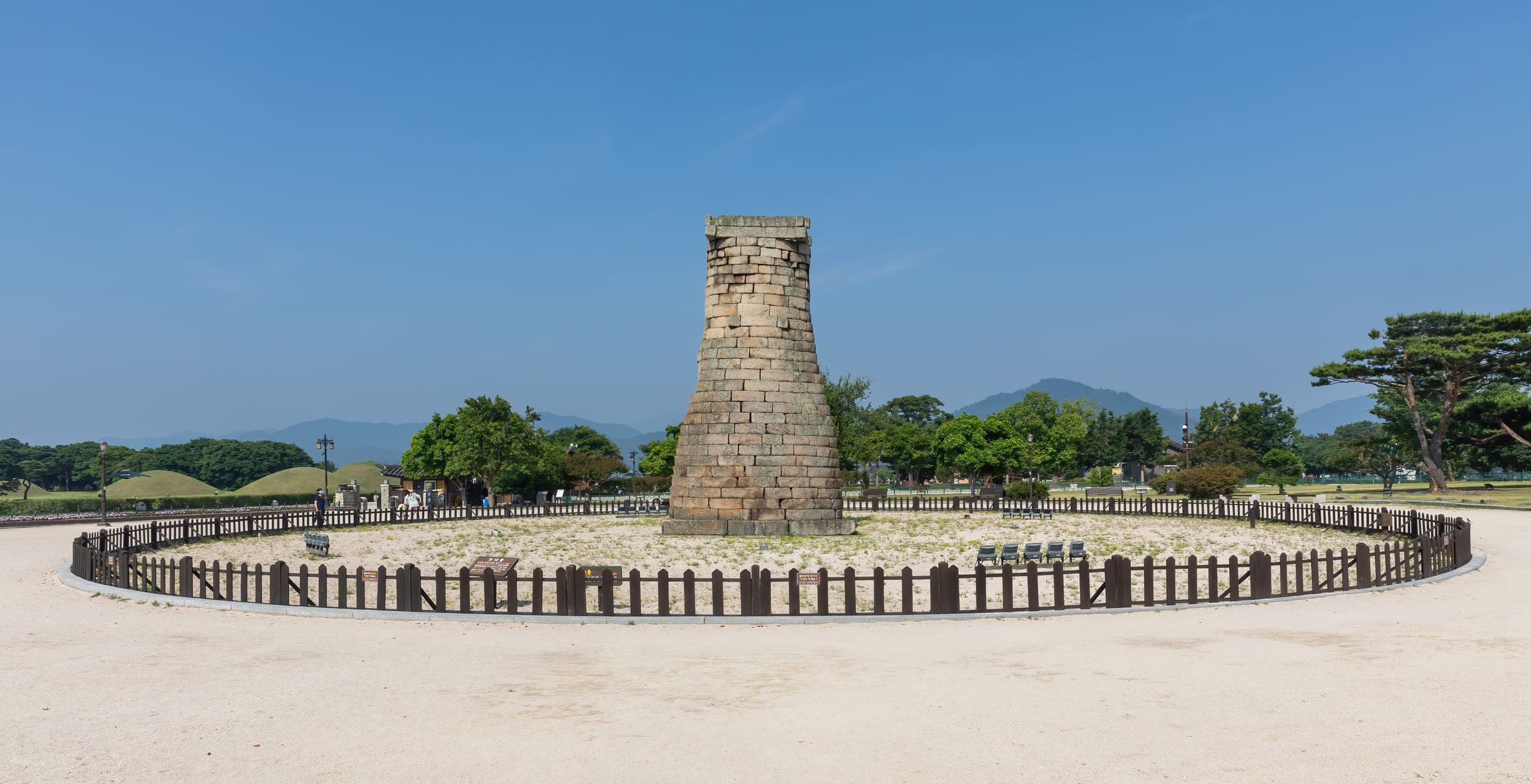
The old centre is Gyeongju at walking pace: burial mounds the size of hills, low-rise lanes and hanok cafés around them. Hwangnidan-gil, in Hwangnam-dong, sits beside the Daereungwon tombs and Cheomseongdae, according to the Korea Tourism Organization.
The low skyline is a rule, not a style. The Korea Times describes how building height limits around the royal tombs kept the neighbourhood low, and how its hanok turned into cafés, craft shops and guesthouses over the past decade. That makes this the area for a hanok stay.
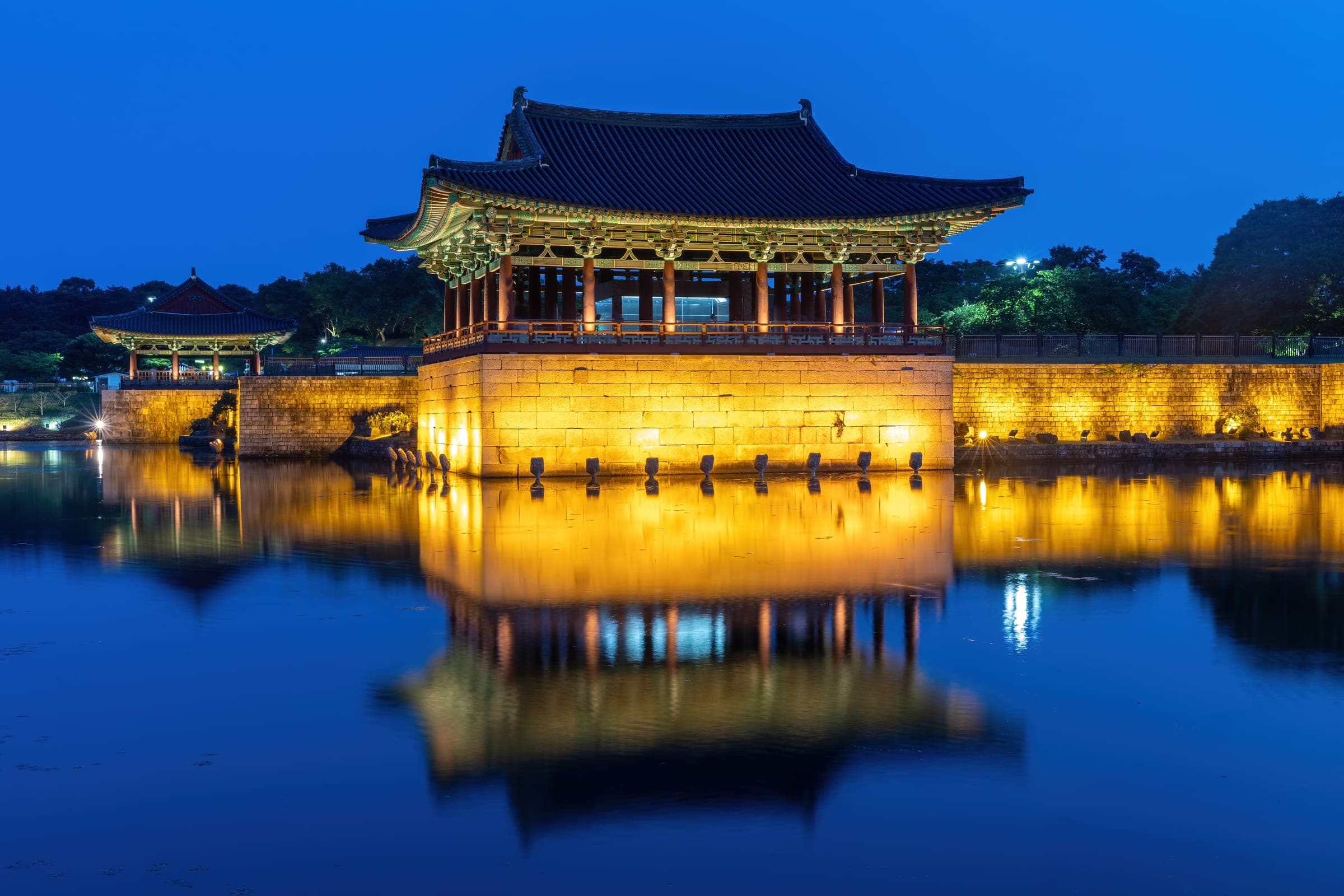
It suits a first visit and a single night best. Donggung Palace and Wolji Pond are open until 10pm, with the last ticket at 9:30pm, and the Korea Tourism Organization singles out the pond after dark. From here that is a walk back, not a bus to catch.
The morning works too. Buses 10 and 11 start from the Hwangnidan-gil public car park and loop out to Bulguksa and Bomun in opposite directions, and bus 711 from the station passes the Hwangnidan-gil stops on its way to Bulguksa. Gyeongju City puts the ride to Bulguksa at 35 to 45 minutes.
It does not suit anyone who wants a large hotel or a quiet street. Hwangnidan-gil has become one of Gyeongju's main attractions, according to the Korea Tourism Organization, and the big resort hotels are out at Bomun.
Our pick for one night, and for anyone whose reason for staying is the pond at night.
Hotel · Trip.com
Gyeongju hotels
Trip.com's Gyeongju listings, for the one night that puts Donggung and Wolji in the evening and Bulguksa in the morning.
Check availability on Trip.comBomun Lake: the resort
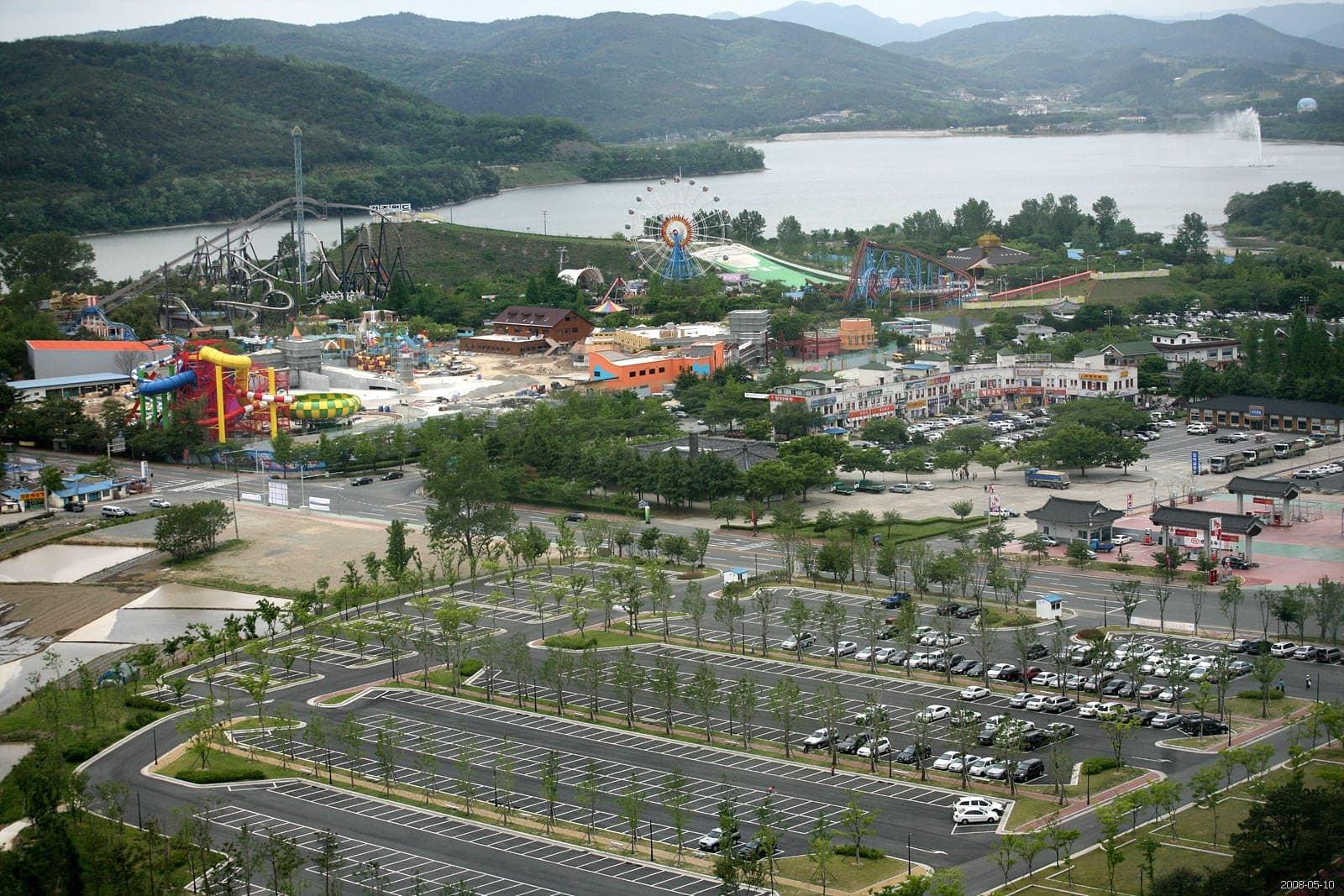
Bomun is the resort end of Gyeongju: a lake, big hotels, golf and an amusement park. The Korea Tourism Organization describes it as the city's international tourist district, with luxury hotels, condos and walking paths around Bomunho Lake.
It suits families, travellers with a car and anyone who wants a large hotel with the facilities that come with one. The lakeside is also a cherry blossom sight in April, according to the Korea Tourism Organization.
The trade-off is that nothing historic is walkable. Buses 10 and 11 connect Bomun to the old centre and Bulguksa, and the transport centre lists them up to 50 and 40 minutes apart. Bus 710 links Bomun to the KTX station through the centre, up to an hour apart, from 6:30am to 8:46pm from the station. An evening at Wolji Pond then ends with a wait for a bus or a surcharged taxi.
It does not suit a one-night stay without a car. You spend the night you came for on transport.
Our pick for two nights or more with a car, or when the hotel is the holiday.
Near Bulguksa: the early start
The Bulguksa area is the quiet one: hotels along the road below the temple and little else to do after dark. Its one strength is the morning. Bulguksa opens at 9am all year, and sleeping nearby puts you at the gate before any bus from the centre has arrived.
It suits travellers who care most about Bulguksa and Seokguram, and who want both done before the day gets crowded. Bus 12 runs from Bulguksa up to Seokguram, as set out in the Gyeongju day trip from Busan.
The trade-off is the evening. Donggung Palace and Wolji Pond is back in the centre, a 35- to 45-minute bus ride away, and the taxi back to Bulguksa carries the surcharge.
Our pick only for a second night, or when the temples are the whole point.
Near Gyeongju Station: the one to skip
The area around Gyeongju Station is a rail stop outside the city, not a base. The station was called Singyeongju until 28 December 2023, and older booking pages still use that name for the same place.
The bus into the centre takes 20 to 25 minutes, according to Gyeongju Smart Tour. Buses 50 and 70 are the frequent ones, up to 30 and 25 minutes apart, from 5am until 10:55pm. A taxi downtown costs more than 20,000 won with the surcharge.
It suits one case: a late arrival and an early train out, with no sightseeing in between. For everyone else, staying here means paying the ride in both directions every day, and doing it again for the pond at night.
Our pick never for a sightseeing night. If trains are the constraint, stay in the old centre and take bus 50 or 70 to the station.
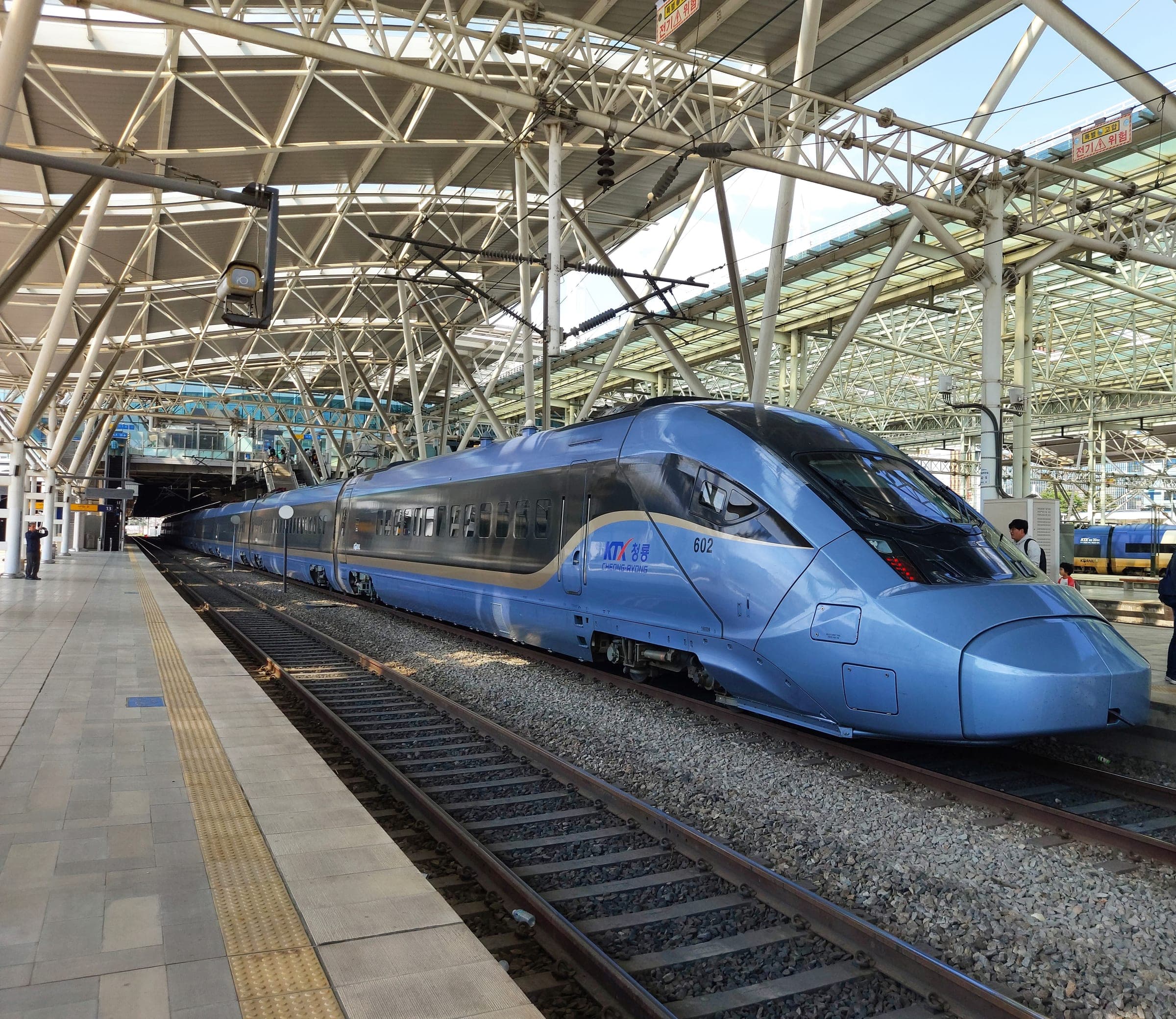 Related guideHow to Book the KTX: Tickets, Fares and the 2026 ChangesKTX tickets open at 7am a month before travel. Since 1 September 2026 the KTX and SRT are one network and fares are 10% lower: Seoul to Busan is 54,400 won.
How to decide
Answer one question: what do you want to see first, the pond at night or Bulguksa at 9am? For the pond, stay in the old centre, which also handles Bulguksa the next morning by bus. For Bulguksa above everything, stay near the temple. For a resort holiday with a car, stay at Bomun.
If Gyeongju is one stop on a longer route, the 7-day Korea itinerary shows where a night here fits between Seoul and Busan.
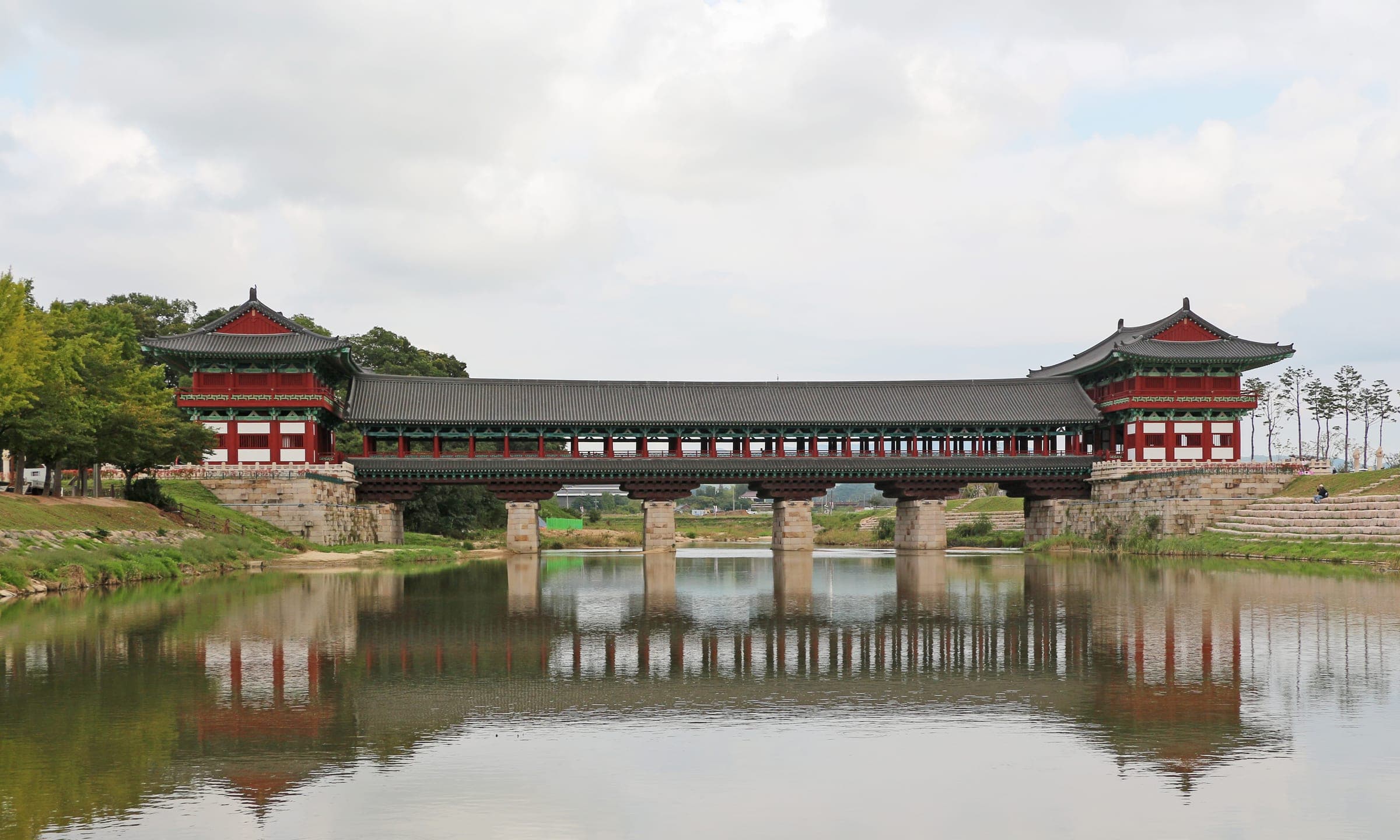 Related guideKorea in 7 Days: Seoul, Gyeongju and Busan by KTXA first week in South Korea: four days in Seoul, a night in Gyeongju and a last day on the Busan coast, linked by the KTX, with opening hours and fares checked.
If Busan is your base instead, the day trip still works, and the Gyeongju day trip from Busan gives the trains and the order.
Related guideGyeongju Day Trip from Busan: KTX, Local Buses or a TourThe KTX from Busan reaches Gyeongju in about 30 minutes for 10,100 won. The order that fits Bulguksa, the tombs and Wolji Pond at night into a single day.
Train · Trip.com
KTX tickets
Trip.com's Korail booking in English, with e-tickets for KTX routes such as Seoul to Busan.
Check availability on Trip.comThe Gyeongju travel guide covers the station name, what the city is for and why one night beats a day trip.
Booking options
Hotel · Trip.com
Gyeongju hotels
Trip.com's Gyeongju listings, for the one night that puts Donggung and Wolji in the evening and Bulguksa in the morning.
Check availability on Trip.comTrain · Trip.com
KTX tickets
Trip.com's Korail booking in English, with e-tickets for KTX routes such as Seoul to Busan.
Check availability on Trip.comFrequently asked questions
What is the best area to stay in Gyeongju?
The old centre around Hwangnidan-gil and Daereungwon, for most first visits. The royal tombs, Cheomseongdae and Donggung Palace and Wolji Pond are close enough to walk between, the pond stays open until 10pm, and buses 10, 11 and 711 run from the centre to Bulguksa.
Is Bomun Lake a good base for Gyeongju?
For a resort stay, yes; for sightseeing, it is the harder base. Bomun is where the big hotels are, about 10km east of downtown according to the Korea Tourism Organization. Every sight in the centre then means a bus or a taxi, and Gyeongju's taxis add a surcharge beyond 5km of the Gyeongju Arts Center.
Should you stay near Gyeongju Station?
No, unless you arrive late and leave on an early train. Gyeongju Station, called Singyeongju until 28 December 2023, sits outside the city: the bus into the centre takes 20 to 25 minutes, and a taxi downtown comes to more than 20,000 won with the out-of-town surcharge, according to Gyeongju Smart Tour.
Which bus goes from Gyeongju Station to Bomun Lake?
Bus 710. It leaves Gyeongju Station from 6:30am to 8:46pm, up to an hour apart, and runs through the bus terminal and the Hwangnidan-gil stops before looping round the Bomun hotels, according to Gyeongju's transport information centre. Since 15 July 2026 it goes via the Muyeol royal tomb.
Is it worth staying near Bulguksa?
Only if the temple, and Seokguram above it, are the point of the trip. Bulguksa opens at 9am, so sleeping nearby puts you at the gate first. The trade-off is the evening: Donggung Palace and Wolji Pond, the sight that argues for staying the night at all, is back in the centre.
Related guides
Gyeongju Day Trip from Busan: KTX, Local Buses or a Tour
The KTX from Busan reaches Gyeongju in about 30 minutes for 10,100 won. The order that fits Bulguksa, the tombs and Wolji Pond at night into a single day.
Updated Sep 24, 2026
How to Book the KTX: Tickets, Fares and the 2026 Changes
KTX tickets open at 7am a month before travel. Since 1 September 2026 the KTX and SRT are one network and fares are 10% lower: Seoul to Busan is 54,400 won.
Updated Sep 13, 2026
Korea in 7 Days: Seoul, Gyeongju and Busan by KTX
A first week in South Korea: four days in Seoul, a night in Gyeongju and a last day on the Busan coast, linked by the KTX, with opening hours and fares checked.
Updated Sep 24, 2026
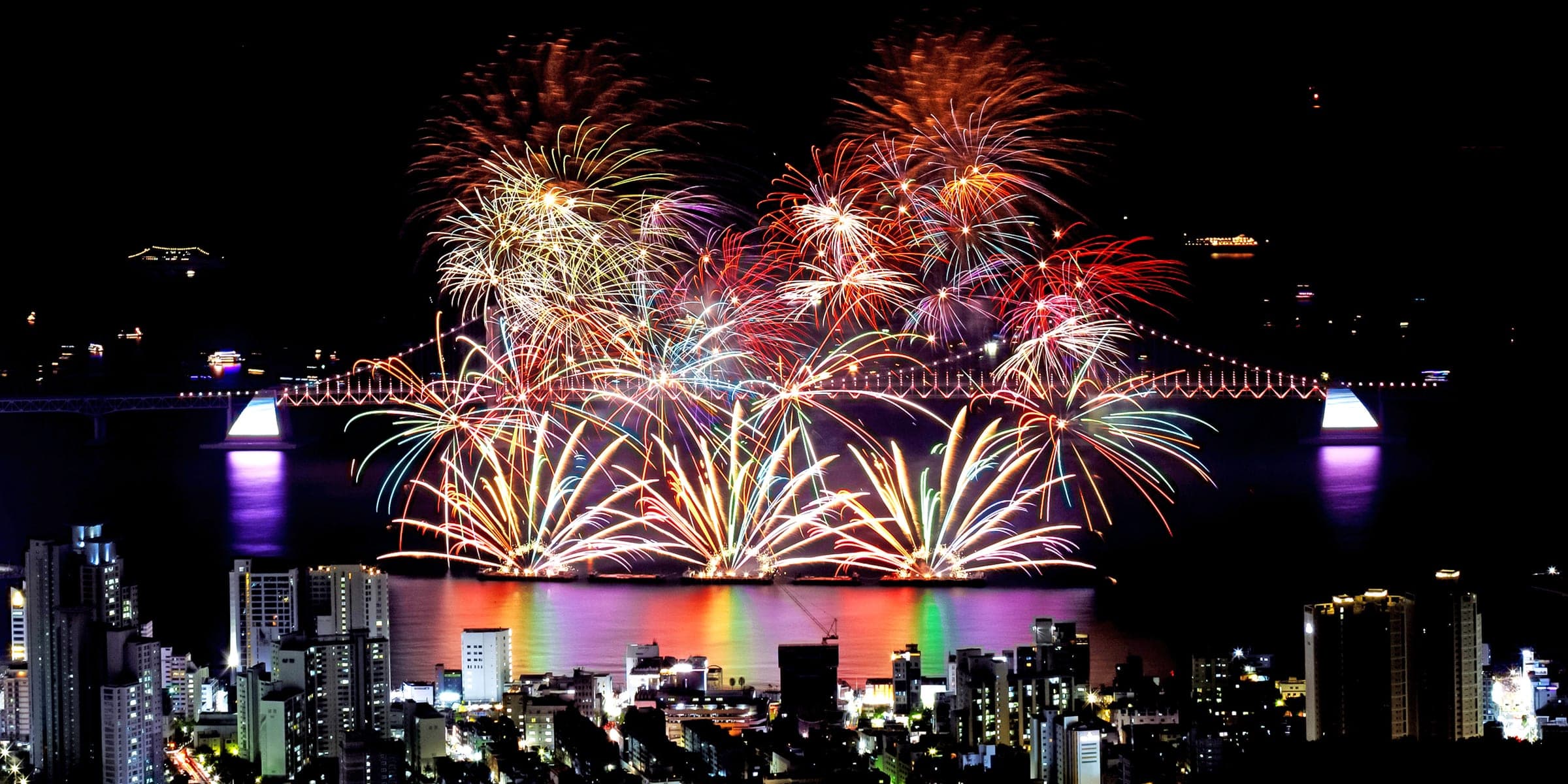
Busan Fireworks Festival 2026: Date, Paid Seats and Where to Watch
Busan Fireworks Festival 2026 is on 7 November at Gwangalli, 7pm to 8pm. How foreigners buy paid seats, where to watch free, and getting there in the crowds.
Updated Oct 3, 2026
Sources (11) and image credits
Sources
- Bus route information: routes via Bomun, Bulguksa and Gyeongju Station (KTX) (Korean) (Gyeongju Transport Information Centre), checked Sep 24, 2026
- Bus fares (Korean) (Gyeongju Transport Information Centre), checked Sep 24, 2026
- Getting downtown from Gyeongju Station (Korean) (Gyeongju Smart Tour), checked Sep 24, 2026
- New bus routes 710 and 711 from the KTX station to Bomun and Bulguksa (Korean) (Gyeongju City), checked Sep 24, 2026
- Travelling Gyeongju by bus: route 10 (Korean) (Gyeongju City), checked Sep 24, 2026
- Singyeongju Station renamed Gyeongju Station from 28 December (Korean) (Newsis), checked Sep 24, 2026
- Bomun Tourist Complex (Korea Tourism Organization), checked Sep 24, 2026
- Gyeongju Hwangnidan Street (Korea Tourism Organization), checked Sep 24, 2026
- Turning historic houses into boutique hotels (The Korea Times), checked Sep 24, 2026
- Donggung Palace and Wolji Pond (Korea Tourism Organization), checked Sep 24, 2026
- Bulguksa visiting hours and fees (Korean) (Bulguksa), checked Sep 24, 2026
Image credits
- Silla royal tombs in the Gyeongju Historic Areas: Basile Morin (CC BY-SA 4.0)
- Bomun Lake in Gyeongju from above, with the Gyeongju World amusement park and wide car parks on the shore: by Junho Jung at Flickr from South Korea (CC BY 3.0)
- Bulguksa temple, Gyeongju: Basile Morin (CC BY-SA 4.0)
- Cheomseongdae observatory, Gyeongju: Basile Morin (CC BY-SA 4.0)
- Donggung Palace and Wolji Pond: Basile Morin (CC BY-SA 4.0)
- KTX-Cheongryong at Seoul Station: 생각하는 나무 (CC BY-SA 4.0)
- Woljeonggyo Bridge, Gyeongju: Bernard Gagnon (CC0)
- The festival's barges fire from the water in front of Gwangan Bridge: Busan Metropolitan city (CC BY-SA 4.0)